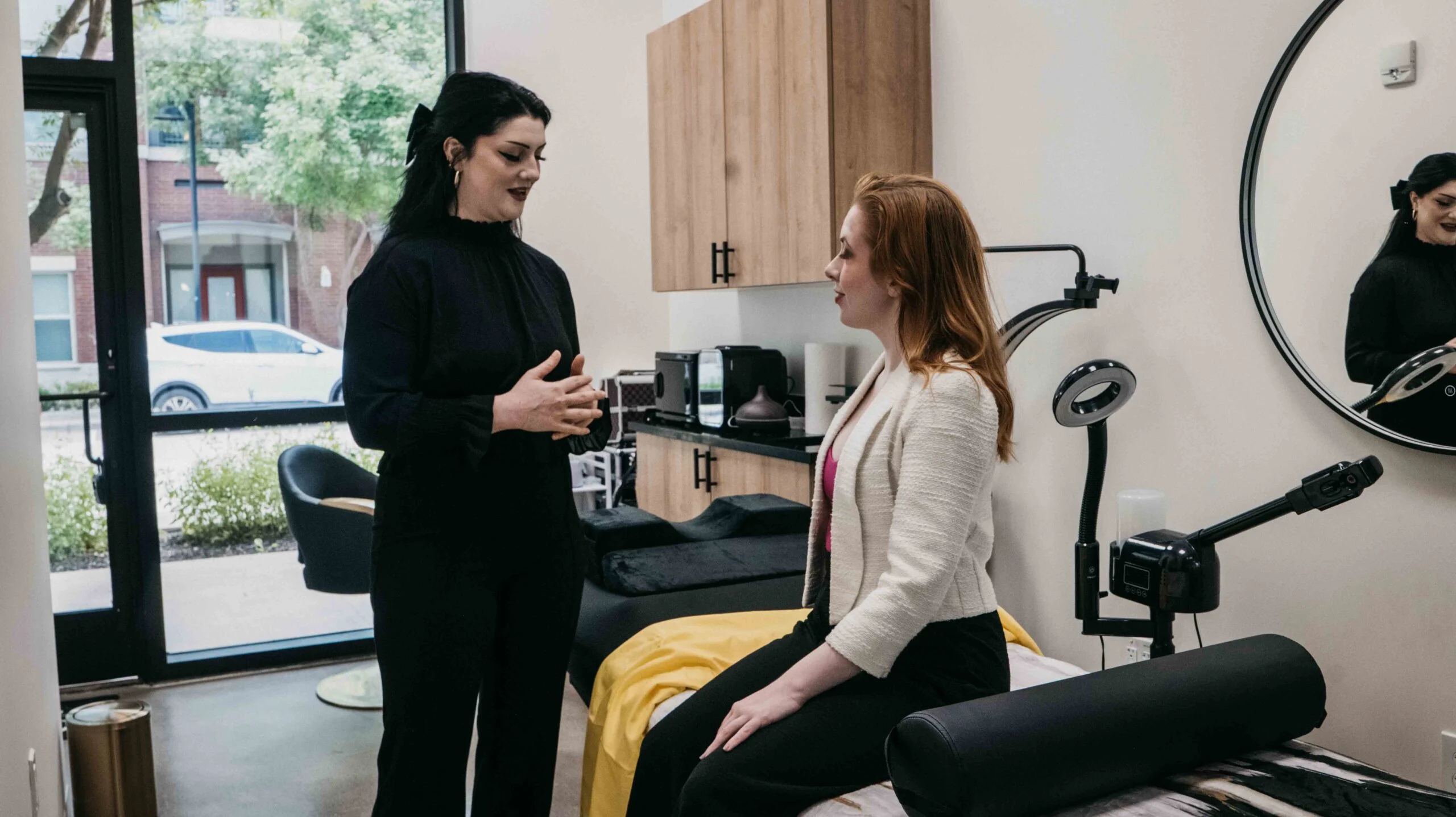
Signing your first hair studio lease is one of the most exciting moments in a stylist’s career. It’s also one of the easiest places to make a costly mistake, because the excitement of finally having your own space can make it tempting to skim the paperwork and sign quickly. A lease is a legally binding agreement, and the details buried in the fine print, not the glossy photos of the suite, are what actually determine whether your first year of independence feels smooth or stressful. Before you commit to any salon studio for rent, slow down and review these five areas closely. They cover almost every problem that catches new suite owners off guard.
1. The Full Rent Structure, Not Just the Headline Number
The number on the listing is rarely the number you’ll actually pay. Before signing anything, ask for a complete written breakdown of your total monthly cost, including base rent, utilities, internet, common area maintenance, and any other recurring fees. Some providers bundle everything into one flat rate; others list a low base rent and then charge separately for nearly everything else. A suite advertised at $250 a week can end up costing far more once utilities, Wi-Fi, and shared-area fees are added back in, while a suite advertised at $350 a week that includes everything may actually be the better deal. If you want a full sense of everything that factors into a real monthly number, our breakdown of what it really costs to rent a hair salon suite is worth reading alongside your lease.
Pay close attention to how and when rent increases. Ask directly: Is there a fixed annual increase built into the lease? Is the increase capped at a specific percentage, or left open to the landlord’s discretion? A lease that stays silent on this point can leave you facing a steep, unexpected jump at renewal. Get any promised rate, discount, or move-in special written directly into the lease itself. If a manager tells you your first month is discounted or your rate is locked for two years, that promise means nothing legally unless it appears on the page you’re signing.
2. The Length of the Lease Term and Your Exit Options
Lease terms for salon suites typically fall into a few common patterns: month-to-month, six-month, or annual agreements, and each comes with real trade-offs. A month-to-month lease gives you flexibility if your plans change, but it also means the provider can raise your rent or change terms with relatively short notice. A one-year lease often locks in a more favorable rate and more predictability, but it also locks you in if your business doesn’t grow the way you expected, or if you need to relocate.
Read the section on early termination closely, because this is where new suite owners are most often caught off guard. Ask exactly what happens if you need to leave before the term ends: Is there a penalty fee? Do you forfeit your deposit? Can you sublease your suite to another professional, or does the lease prohibit that entirely? Also check whether the lease automatically renews unless you cancel it by a specific date. Auto-renewal clauses are common and not necessarily a problem, but only if you know the deadline and calendar it. Our guide to negotiating your beauty room rental agreement walks through how to ask for more flexible terms if the standard lease feels too rigid for where your business is right now.
3. What’s Actually Included Versus What Costs Extra
Two suites can look identical in photos and still deliver very different value once you move in. Before signing, get a written list of everything included in your rent: furniture, shampoo bowls, storage, security systems, cleaning of shared spaces, and access hours. Then ask what is explicitly not included. Laundry service, retail display fixtures, extra parking spots, and after-hours access are common items that get billed separately even when a suite otherwise feels all-inclusive.
Security deserves special attention here. Ask how the building is secured, who has access to the property and when, and whether the system logs entry for your protection as well as the landlord’s. A suite with a modern access system, like the Butterfly security system used across Treazure Studios locations, gives you the ability to grant entry remotely and see exactly who came and went, which matters both for your peace of mind and for protecting your clients’ experience. If the lease is vague about security or maintenance responsibilities, ask for those details in writing before you sign, not after something goes wrong.
4. The Rules Around Your Business, Not Just the Building
A hair studio lease governs more than square footage. It often includes rules about how you run your business inside that space, and those rules can matter just as much as the rent. Read closely for clauses covering:
- Hours of access. Can you come and go whenever you need to, or are you restricted to specific building hours? Many independent professionals need early morning or evening flexibility that a traditional salon schedule never allowed.
- Retail and product sales. Some leases restrict what you’re allowed to sell from your suite, or require you to use specific product lines. If retail income matters to your business model, confirm this before signing.
- Decor and branding restrictions. Can you paint, add signage, or fully customize your space, or are there limits on what you can change? A lease that promises “your own brand, your own style” should say so explicitly, not just imply it in marketing materials.
- Subletting and shared use. If you ever want to bring in another professional to share your suite, confirm whether the lease allows that and under what conditions.
- Insurance requirements. Most leases require proof of professional liability insurance before you move in, and some specify minimum coverage amounts. Confirm this early so it doesn’t delay your move-in date.
These clauses shape your day-to-day freedom far more than the price tag does. A cheaper suite with a long list of restrictions can end up feeling far less like independence than a slightly pricier one with real flexibility built in.
5. What Happens If Something Goes Wrong
No one signs a lease planning for problems, but the strongest leases spell out exactly what happens when something does go wrong, and a good provider will not flinch at these questions. Ask what the process looks like if a maintenance issue arises: Who do you contact, and what is the expected response time? Ask whether there’s a documented process for reporting a problem with a neighboring suite, noise, or a shared-area conflict. Ask what recourse you have if the building fails to deliver something promised in the lease, like functioning Wi-Fi or a working security system.
It’s also worth confirming what happens in a true worst-case scenario, such as an extended closure due to a building issue outside anyone’s control. Does the lease address rent abatement in that situation, or are you fully on the hook regardless of circumstances? These are uncomfortable questions to ask before you’ve even moved in, but a lease that answers them clearly is a strong sign you’re working with a provider who has genuinely thought this through, not one hoping you won’t ask.
Read Everything, Then Ask Everything
A hair studio lease is not the place to assume good intentions will cover the gaps in the paperwork. Read the entire document, including sections that feel like boilerplate. If a clause is unusually long, vague, or unclear about who is responsible for what, ask for clarification in writing before you sign, not after you’ve moved your equipment in. Bring a friend or mentor who has already been through the process if you’re unsure what’s normal versus unusual for your market. Most reputable providers expect these questions and will walk through the lease with you page by page rather than rushing you to sign.
If you’re still comparing multiple studios before making a final decision, our guide to comparing beauty suites for rent as a solo pro can help you evaluate offers side by side, and our breakdown of short-term leases versus booth rentals is useful if you’re still deciding how much commitment feels right for where your business is today.
Why the Fine Print Is Worth the Time
None of these five checks take more than a conversation and a careful read to complete, but skipping them is exactly how new suite owners end up locked into rent increases they didn’t expect, restrictions that limit their income, or exit terms that trap them in a space that no longer fits their business. Treazure Studios was built by founder Dearonne Bethea around the idea that Lifestyle Professionals deserve real transparency, not fine print designed to work against them, which is part of why every lease is walked through in detail during your Lifestyle Professional Consultant onboarding rather than handed over as a document to sign alone.
Ready to Review a Lease Built for Your Success?
Before you sign anything, it’s worth touring a space where the terms are explained clearly and the fine print doesn’t hide surprises. Contact us today to schedule a tour of Treazure Studios and walk through exactly what your lease would include.