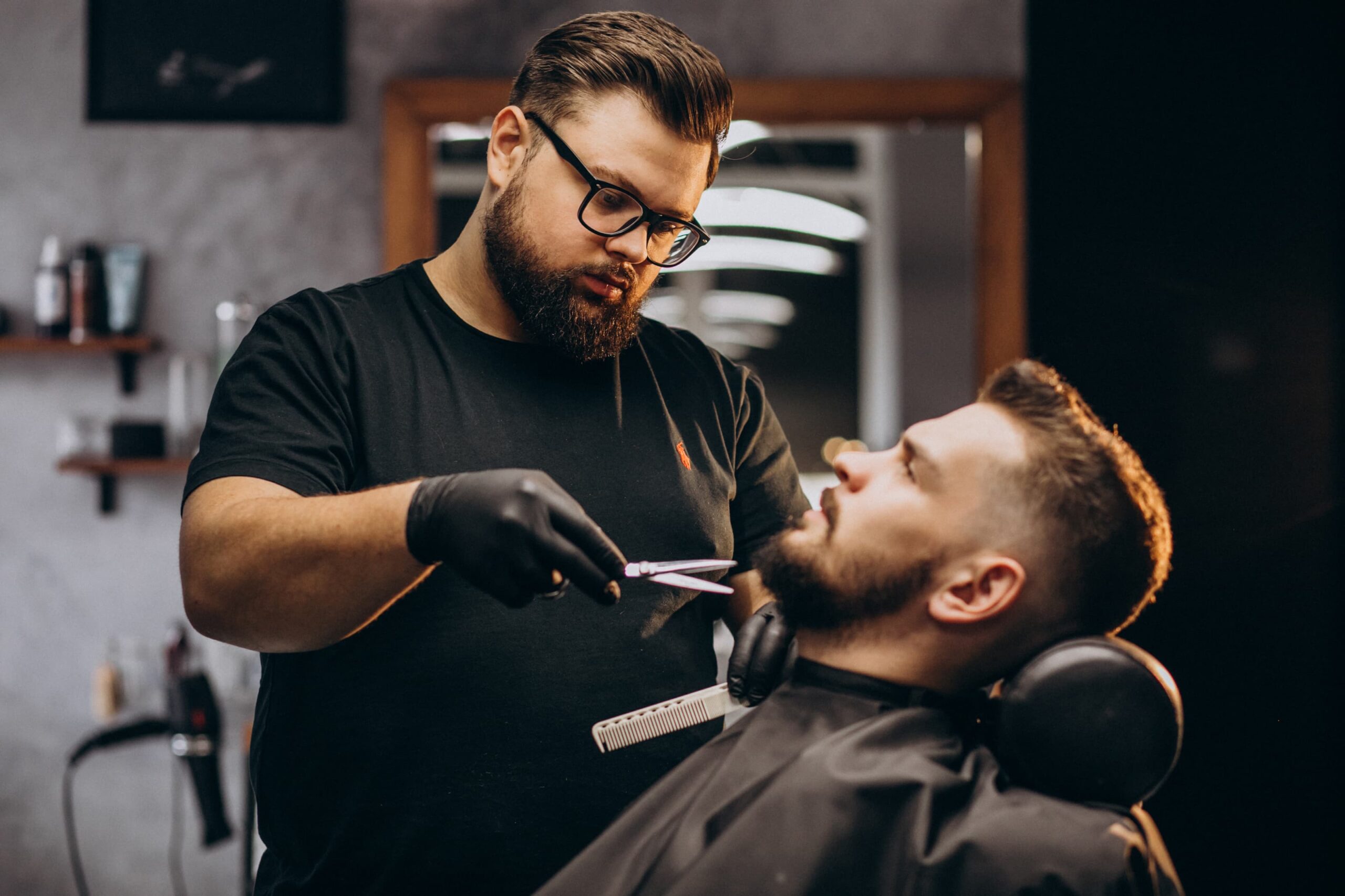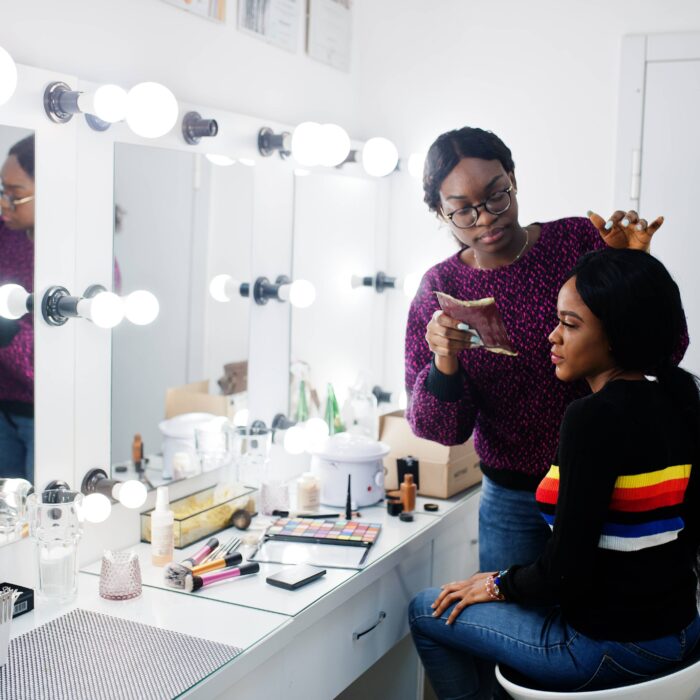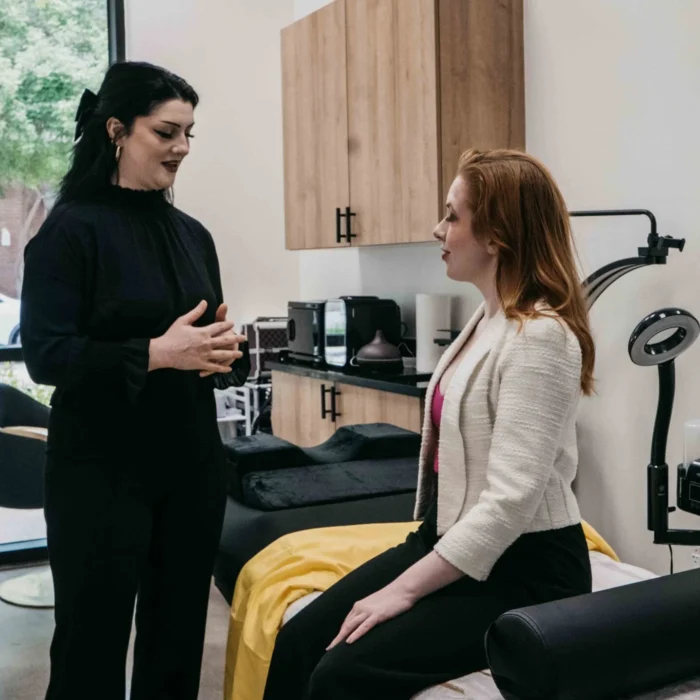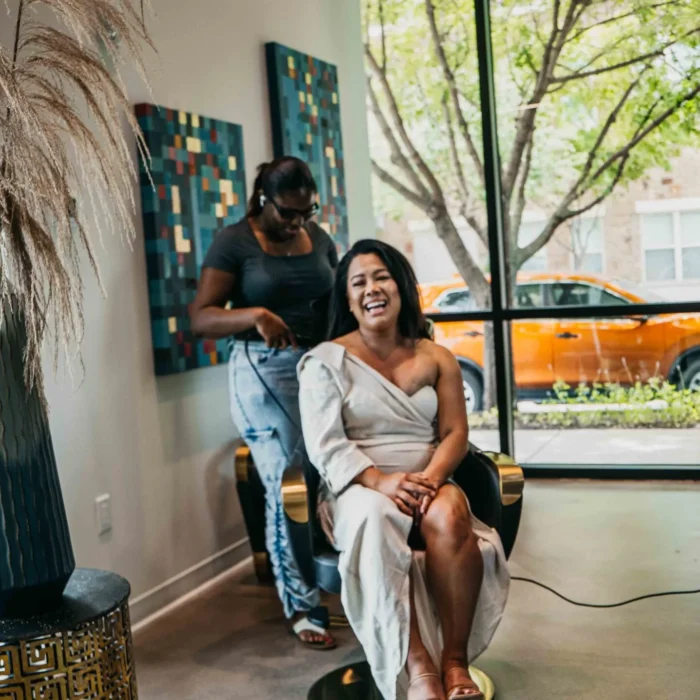
For decades, chair rental was the default path for stylists who wanted more control over their careers without taking on the full risk of opening a salon. Today, that path has split in two directions. Booth rental is still around, but a newer model, the private hair suite, has grown quickly enough to change how many hairstylists, barbers, and estheticians think about independence. Choosing between the two is no longer a small decision about where to plug in a blow dryer. It shapes your income, your client relationships, and how much of your work life actually feels like yours.
This breakdown looks at both models honestly, from the day-to-day experience to the financial and legal fine print, so you can decide which setup fits the business you are trying to build.
What Booth Rental Actually Looks Like
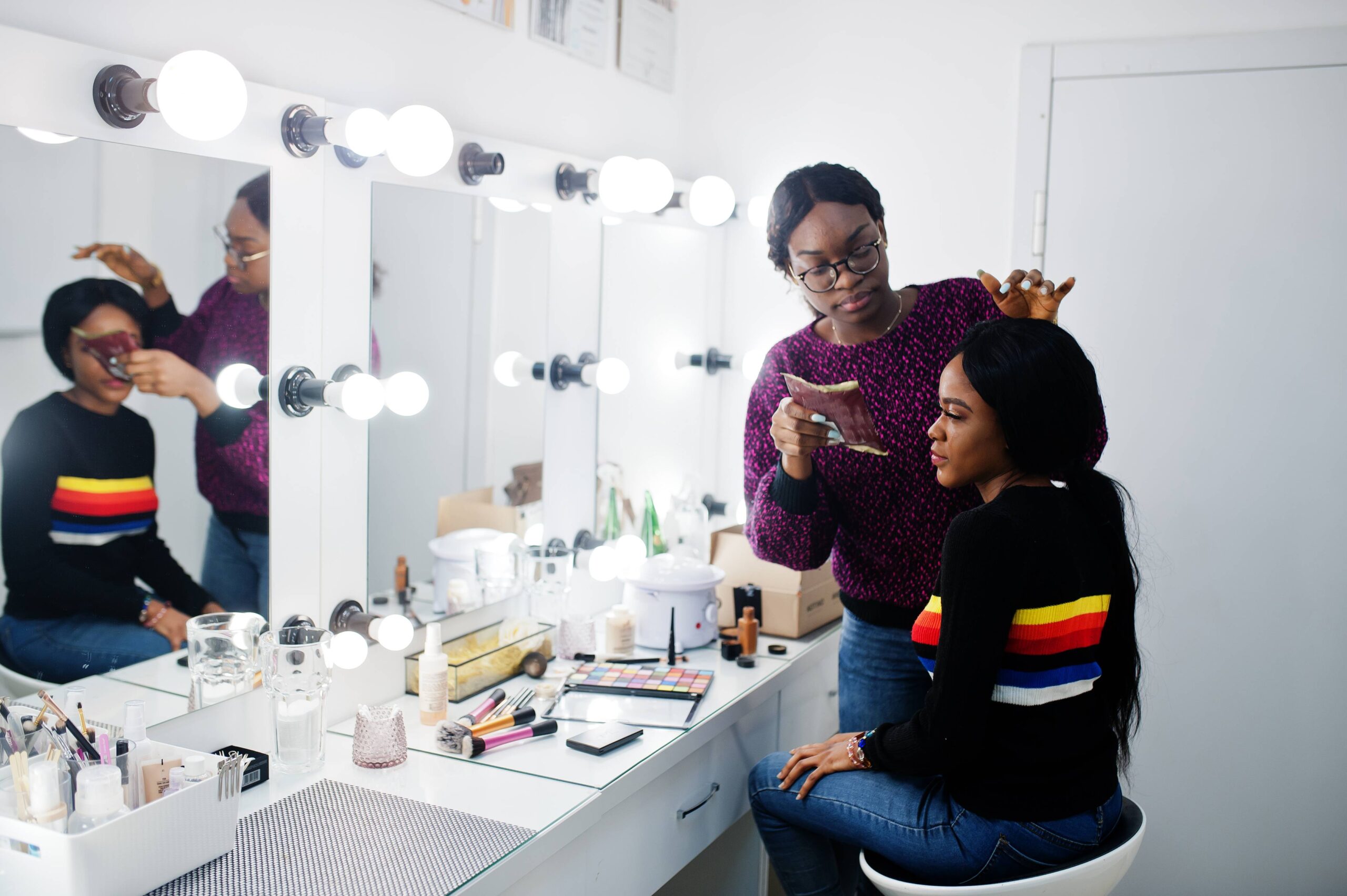
Booth rental, sometimes called chair rental, means a stylist pays a salon owner a flat fee, usually weekly or monthly, for the use of a station inside a shared salon floor. The stylist is technically an independent contractor rather than an employee, which means they set their own prices and keep their own earnings after the rental fee. In exchange, they share a front desk, a waiting area, a break room, and often a receptionist with several other independent professionals.
On paper, this sounds like a fair trade. In practice, booth renters run into friction that rarely shows up in the pitch. Shared space means shared noise, shared music preferences, and shared foot traffic that a stylist has no control over. If the salon owner books walk-ins at the front desk, a renter’s chair can get filled with a client that renter never chose to see. Supply costs, Wi-Fi reliability, and even the thermostat setting are usually decided by someone else. According to Cyrus Bulsara, a longtime salon industry data consultant interviewed by Salon Today, chair and suite rentals together now make up roughly a third of all salons in the United States, a sign that traditional commission-based employment has been losing ground for years. What that same reporting makes clear, though, is that booth rental and suite rental are not the same experience, even though they get lumped into one trend.
What a Private Hair Suite Actually Looks Like
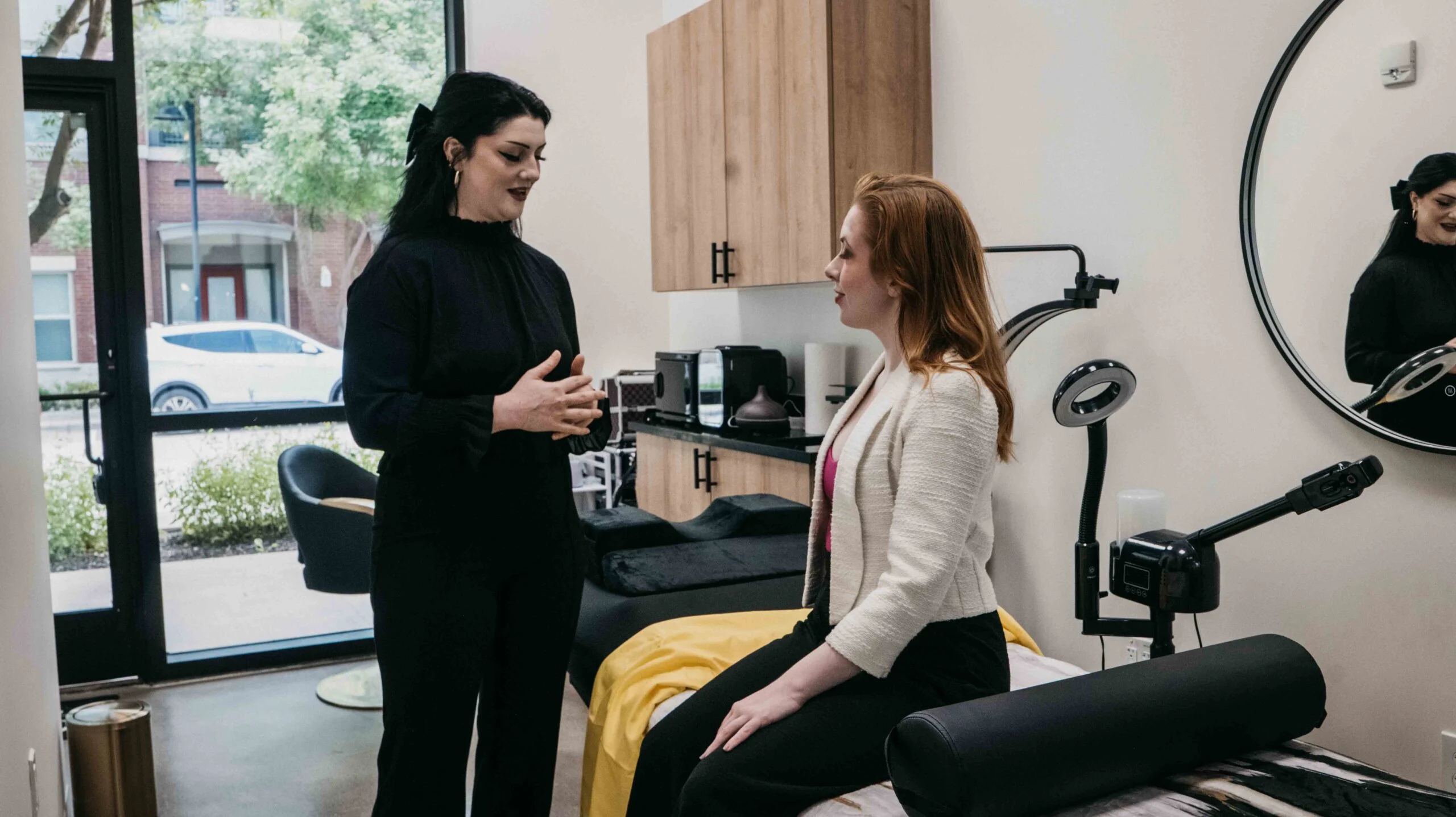
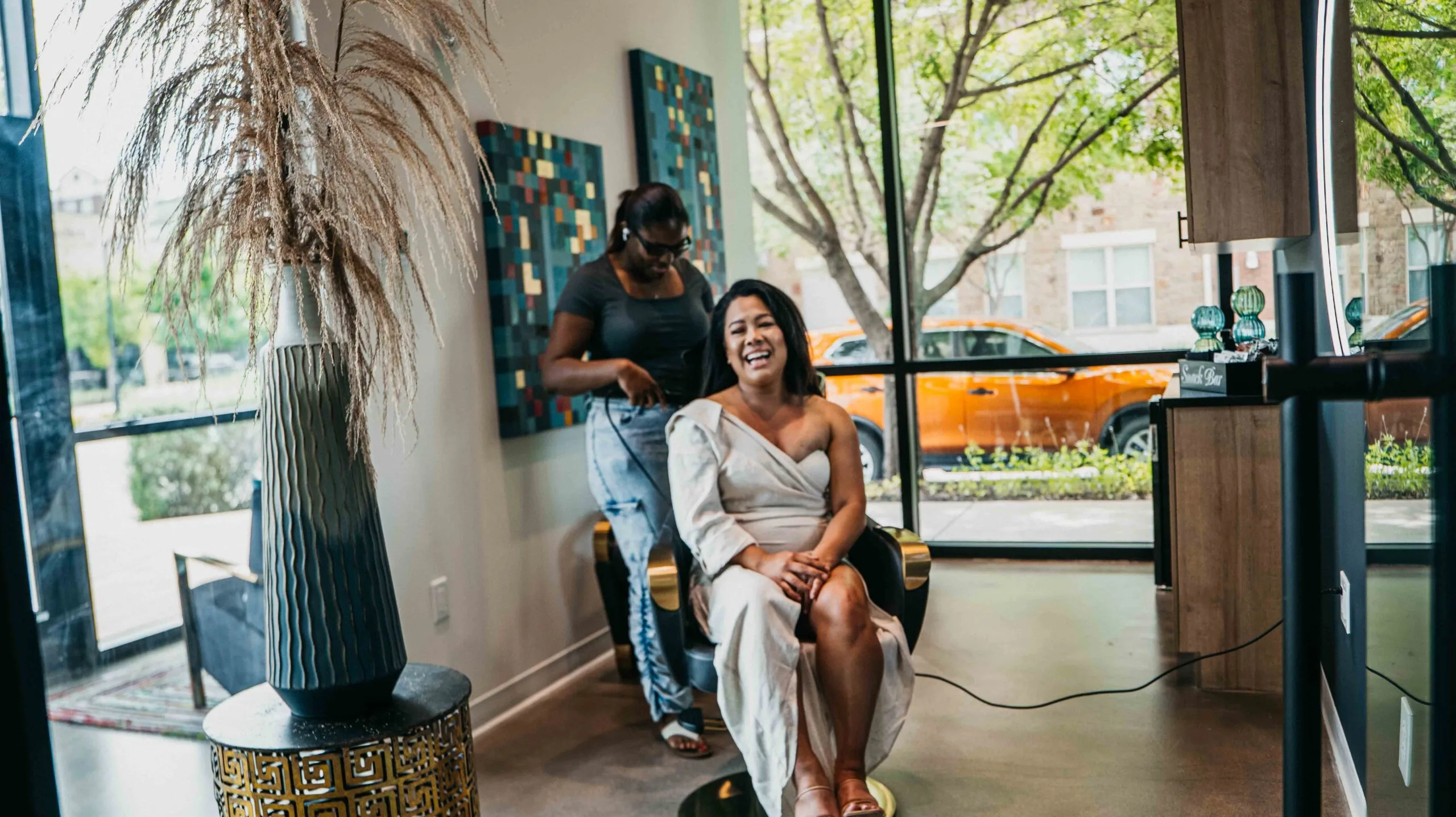
A private hair suite flips the shared-space model on its head. Instead of renting a station inside someone else’s salon, a stylist leases an enclosed, lockable room designed for one professional, or occasionally a small team, to run as their own boutique business. At Treazure Studios, for example, each suite comes turnkey, meaning the furnishings, lighting, and utilities are already in place, and the tenant decides everything else: the paint color, the music, the retail displayed on the shelf, and the hours the door is unlocked.
The financial mechanics look similar to booth rental at first glance. A stylist pays rent for the space and keeps everything earned from services and retail. The difference is in what that rent actually buys. A suite tenant is not sharing walls with unpredictable foot traffic, and there is no front desk redirecting clients without asking. Access tends to run around the clock rather than around someone else’s business hours, and many buildings, including Treazure Studios locations, use remote-access security systems so a tenant can let a late client in without needing anyone else present. You can see the full list of what a suite includes on the Treazure Studios benefits page, which spells out the amenities most booth rental agreements simply do not offer.
Comparing the Client Experience
Clients notice the difference between the two models faster than stylists sometimes expect. A private suite gives a client a one-on-one experience from the moment they walk in, without other conversations happening a few feet away or another stylist’s client waiting in a shared chair. Industry surveys compiled by salonrenter.com suggest that a meaningful share of clients say they specifically prefer the privacy of a suite setting over a traditional open floor. That preference tends to matter most for services that involve sensitive conversation, color correction that takes hours, or clients who simply want quiet.
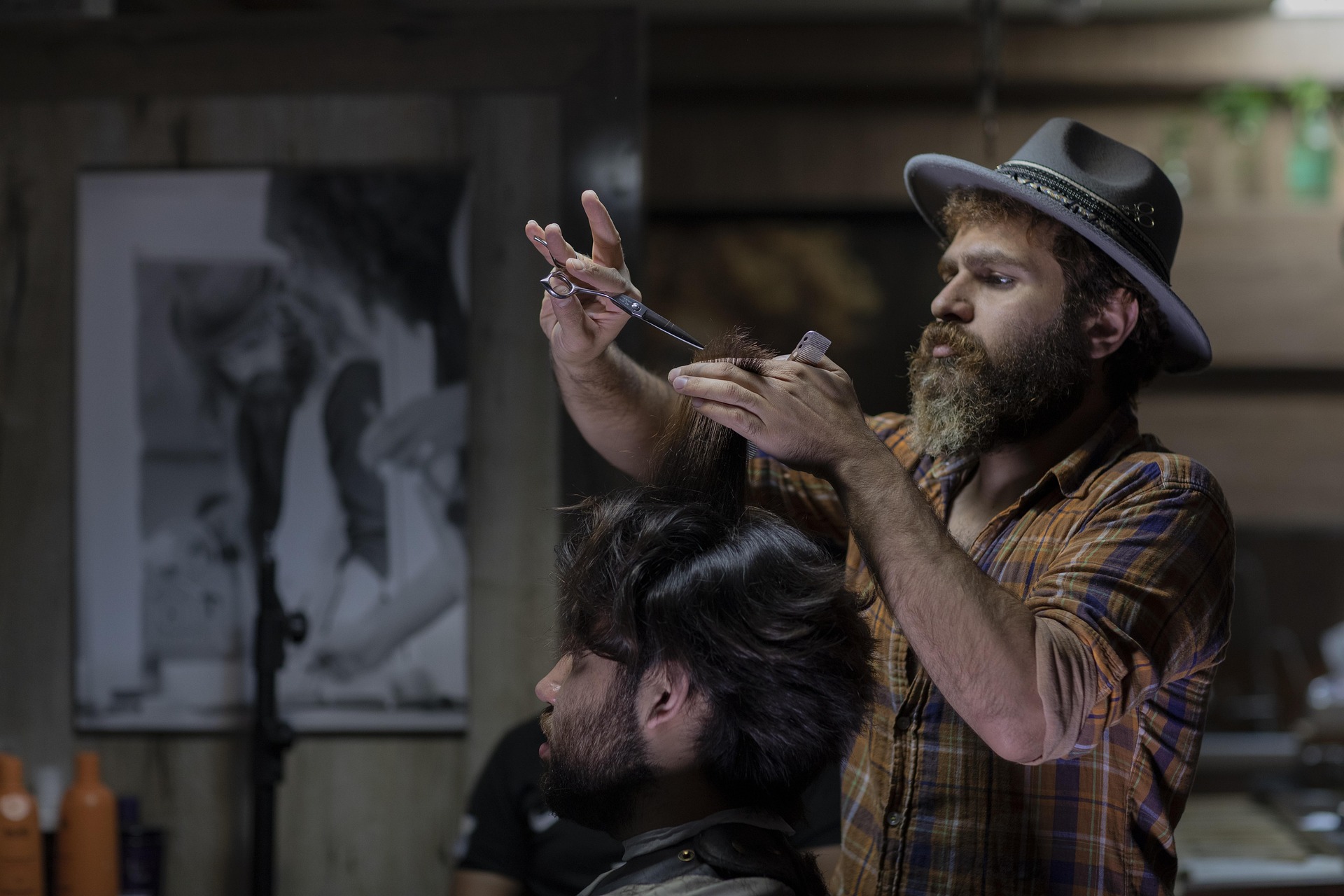
Booth rental does not offer that same privacy by design. Even the friendliest shared salon has crosstalk, competing playlists, and the occasional client who wanders to the wrong chair. For some stylists, that energy is part of the appeal. For others, especially those building a higher-end clientele, it becomes the exact reason they eventually look for something like the studio model that Treazure Studios offers hairstylists specifically.
The Real Cost Comparison
Rent is rarely the only number that matters. Booth rental fees are often lower on the surface, but the hidden costs add up. A renter usually still needs their own liability insurance, their own products, and their own marketing, while getting little say over the shared amenities they are also paying into. If the salon owner raises prices on shared supplies or changes the front desk software, the renter absorbs that cost with no vote in the decision.
Suite rental tends to bundle more into the monthly fee. Utilities, Wi-Fi, and communal area maintenance are usually included, and turnkey furnishing means a new tenant is not buying styling chairs and shampoo bowls out of pocket before they can even open. The tradeoff is that suite rental fees are typically higher than a single booth, which is part of why the decision often comes down to how established a stylist’s clientele already is. A stylist with a thin book of clients may find booth rental easier to justify short term, while a stylist with a steady, loyal base is usually better positioned to make a suite pay for itself quickly. Anyone weighing the numbers for their own market can schedule a call with Treazure Studios to get pricing specific to a location, since suite costs vary by city and square footage.
Independence, on Paper and in Practice
Both booth renters and suite tenants are typically classified as independent contractors rather than employees, which affects taxes, scheduling, and legal liability. The IRS Small Business and Self-Employed Tax Center is a useful starting point for understanding what that classification actually requires, since independent contractors are responsible for their own quarterly estimated taxes and self-employment tax in a way employees are not.
Where the two models diverge is in how much independence a renter can actually exercise. A booth renter is legally independent but often practically dependent on the salon owner’s rules, hours, and front desk policies. A suite tenant is independent in both name and daily reality: the door has a lock, the schedule is theirs, and the branding on the wall is whatever they choose to put there. That distinction matters more than it sounds, because a business is only as autonomous as the space it operates from allows it to be.
Building a Business, Not Just Booking Clients
This is where the two models pull furthest apart. Booth rental was built around the idea of renting a chair. Suite rental, particularly the version built by companies focused on ownership, was built around the idea of renting a business address. That shift changes what a stylist can realistically build over five or ten years.
Treazure Studios leans into that difference through Treazure University, an education arm built specifically to help suite tenants think beyond the chair and toward business ownership, wealth building, and eventually investing the profits they keep. That kind of structured support is rare in a booth rental arrangement, where the salon owner’s only real incentive is collecting rent, not helping a renter scale into something bigger. For a stylist who eventually wants to run more than one location, or who wants to understand what it takes to open a franchise of their own, resources like the Treazure Studios franchise page lay out what that next step could look like.
Industry Momentum Behind the Shift
None of this is happening in a vacuum. The Professional Beauty Association, the largest trade organization representing the beauty industry, has tracked a steady rise in beauty professionals choosing to work independently rather than as salon employees. The U.S. Bureau of Labor Statistics projects continued job growth for barbers, hairdressers, and cosmetologists over the coming decade, and a large share of that workforce is already self-employed rather than on a payroll. Suite rental did not create that shift, but it has become one of the clearest ways for stylists to act on it without taking on the overhead of opening a full salon from scratch.
Making the Switch Without Losing Momentum
Stylists who move from a booth to a suite often worry, understandably, about losing clients in the transition. A change of address can feel risky after years of building a following inside one salon’s four walls. The stylists who make the move smoothly tend to do a few things well ahead of the actual move date. They tell their clients early, framing the change as an upgrade rather than a disruption, and they lean on the personal brand they have already built rather than the salon’s brand, since that following belongs to them and travels wherever they go. A suite setup makes this easier in one specific way: because the space reflects the stylist’s own name and style from day one, clients tend to describe the new location as feeling more like “their” stylist’s place, not less familiar.
Licensing is the other piece that trips people up. Moving into an independent suite does not change a stylist’s state cosmetology or barbering license, but it does mean handling the paperwork of running a standalone business rather than plugging into an existing salon’s setup. Treazure Studios addresses this directly with a start-up guide that walks new tenants through permits, insurance, and the basic business documentation needed before opening the door for the first client, which removes a lot of the guesswork that used to make suite rental feel intimidating compared to simply renting a chair.
Which Model Actually Fits You
There is no universal right answer here, but there is a useful way to think about it. If you are early in your career, still building a client list, and want the lowest possible overhead while you figure out your pricing and your niche, booth rental can be a reasonable stepping stone. If you already have a loyal clientele, want full control over the environment your clients walk into, and are thinking about your business as something you are building rather than a chair you are renting, a private suite is the model designed for that ambition.
Stylists who make the jump from booth to suite often describe the same feeling: the work did not get easier, but it finally felt like theirs. If that is the direction you are leaning, touring an actual space tends to make the decision clearer than any spreadsheet can. You can schedule a tour of a Treazure Studios location to see what a fully private, turnkey suite looks like in person, or reach out through the Treazure Studios contact page with questions specific to your service and your city.
Booth rental gave a generation of stylists their first taste of independence. The private suite model is giving the next generation a way to turn that independence into something they can actually build wealth from, one client, one suite, and one decision at a time.