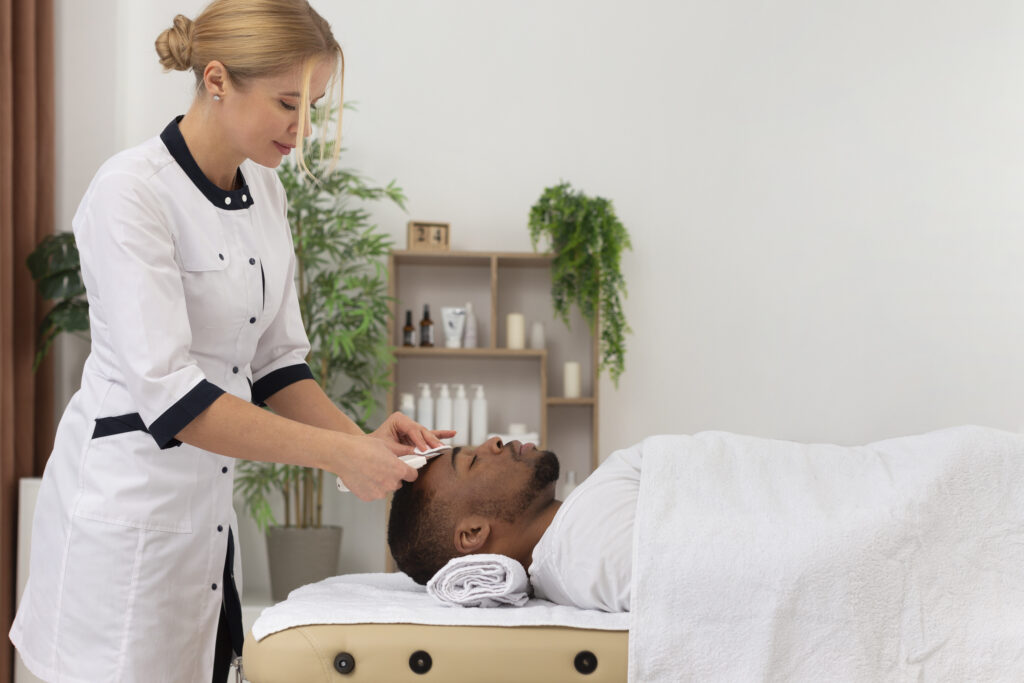
For estheticians looking to build independent beauty businesses, having the right workspace is just as important as having the skills and experience to deliver quality treatments. Whether you specialise in facials, waxing, skincare consultations, chemical peels, or other beauty services, a professional treatment room gives you the privacy and flexibility to serve clients while building your own brand. However, before choosing a workspace, one important question needs to be answered: How much does it actually cost to rent a room as an esthetician?
The answer depends on several factors, including the type of studio, location, room size, available equipment, and rental agreement. Some professionals prefer renting a shared treatment room for a few days each week, while others invest in a private room or fully customised salon suite where they can operate their businesses independently. Each arrangement comes with different costs, advantages, and financial responsibilities.
Understanding these differences is essential when deciding which workspace makes the most sense for your business. A lower rental fee may be attractive when starting out, but a private, fully equipped suite could offer better long-term value if it provides the facilities, privacy, and flexibility you need.
In this guide, we’ll explore how much estheticians can expect to pay across different studio models, what influences rental prices, the additional expenses to consider, and how to choose a treatment space that supports your professional and financial goals.
How Much Does It Cost to Rent a Room as an Esthetician?
Esthetician room rental prices vary depending on the rental arrangement and the type of professional environment you choose. In the United States, a basic treatment room may cost approximately $150 to $400 per week, while more established private suites and premium studio spaces can cost considerably more.
According to publicly available industry pricing information, Vagaro’s December 2025 pricing guide places esthetician treatment room rentals within the $150 to $400 weekly range. Booksy’s 2026 pricing information also identifies monthly treatment room costs of approximately $600 to $1,400 for mid-tier spaces, with premium and medical spa environments potentially exceeding $1,600 monthly.
Treazure Studios’ own 2026 beauty room rental pricing guide provides additional indicative ranges across different rental arrangements:
| Rental Model | Estimated Cost |
| Hourly rental | 20–80 |
| Daily rental | 80–250 |
| Weekly rental | 250–700 |
| Monthly rental | 600–2,500+ |
These figures are indicative rather than guaranteed market rates. Actual prices depend on location, studio quality, included amenities, and the type of agreement offered.
It is also important to distinguish between a basic treatment room and a fully private salon suite. A shared room may have fewer facilities and limited access, while a dedicated suite generally offers more privacy, greater control over the environment, and additional opportunities for branding.
Understanding the Different Studio Models for Estheticians
Not every esthetician needs the same type of workspace. Someone who is just beginning to build a clientele may benefit from a flexible hourly arrangement, while an established professional may prefer a private studio that is available whenever clients need appointments.
Understanding the available models can help you identify which arrangement offers the best balance between affordability and independence.
1. Shared Treatment Room Rental
A shared treatment room is one of the more affordable ways for estheticians to access a professional workspace without committing to a full-time lease.
In this arrangement, multiple beauty professionals use the same treatment room at different times or on designated days. For example, an esthetician may rent the room every Monday, Wednesday, and Friday, while another professional uses it during the remaining days.
Depending on the location and agreement, shared treatment rooms may cost approximately $50 to $150 per day or $150 to $300 per week for scheduled access.
This arrangement is particularly useful for professionals who are still developing their clientele or balancing their beauty business with another job.
Shared rooms may include basic furniture, a treatment bed, storage, lighting, and access to common facilities. However, equipment availability and storage arrangements should be confirmed before signing.
The biggest advantage is the reduced financial commitment. Instead of paying for an entire room throughout the month, you only pay for the days or hours you need.
The trade-off is limited availability and less control over the treatment environment. You may also need to transport your products and equipment between appointments.
2. Hourly and Daily Treatment Room Rentals
Hourly and daily rentals provide another flexible option for estheticians who do not yet need a permanent workspace.
With hourly rentals, you pay for the exact amount of time you use the room. Daily rentals allow you to reserve the space for a longer working period, usually between four and eight hours or for an agreed business day.
Hourly rates can range from approximately $20 to $80, while daily rentals may cost between $80 and $250, depending on the location and facilities.
For example, Beauty Suite for Rent in Midtown Manhattan advertises hourly treatment room rentals starting at $35, four-hour half-day bookings for $95, and eight-hour full-day bookings for $155.
This demonstrates how flexible rental arrangements can work for professionals who want access to a professional environment without taking on a long-term financial commitment.
Hourly and daily rentals are especially suitable for:
- Estheticians with a small but growing clientele.
- Professionals offering occasional facial treatments.
- Skincare specialists testing a new business location.
- Beauty entrepreneurs who work across multiple locations.
- Professionals who want to supplement their income with additional appointments.
However, frequent hourly bookings can become expensive over time. If you are consistently renting several days each week, comparing the total cost with a monthly private room rental may reveal a more economical option.
3. Private Treatment Room Inside a Salon or Spa
A private treatment room within an established salon or spa offers more independence than a shared workspace while allowing you to operate within an existing professional environment.
Unlike an open treatment area, a private room provides a dedicated space where you can perform services without unnecessary interruptions. This is particularly important for estheticians offering facials, waxing, skincare consultations, and treatments that require client privacy.
Depending on the market, private treatment room rentals may range from approximately $150 to $400 per week, with premium locations charging more.
Some salons and spas provide treatment beds, storage cabinets, lighting, sinks, and access to waiting areas. Others may provide only the room, leaving you responsible for furnishing and equipping the space.
One advantage of this arrangement is that you can benefit from operating within an established beauty environment. Depending on the salon’s policies, you may also have opportunities to build professional relationships with hairstylists, massage therapists, nail technicians, and other beauty specialists.
However, it is important to clarify whether you can establish your own business identity, set your own service prices, and manage your appointments independently.
If you’re considering this arrangement, Treazure Studios’ guide to esthetician room rentals and what is included in the agreement provides useful information about the facilities and responsibilities to consider.
4. Dedicated Private Esthetician Suite
A dedicated private esthetician suite is a more comprehensive workspace designed for professionals who want to operate independently.
Instead of sharing a treatment room or working within another salon’s open environment, you have an enclosed studio that can be customized to reflect your brand and services.
Private suites generally cost more than shared treatment rooms because they offer greater privacy, flexibility, and control over the working environment.
Depending on the location, size, and amenities, dedicated beauty suites may cost approximately $250 to $700 per week, with premium metropolitan locations potentially exceeding this range.
These spaces may include:
- Private treatment rooms.
- Dedicated storage areas.
- Professional lighting.
- Access to utilities.
- High-speed Wi-Fi.
- Secure building access.
- Shared waiting areas.
- Customisable interiors.
- Flexible operating hours.
For estheticians, having a private suite can significantly improve the treatment experience. You can create a calming atmosphere, control the lighting and music, organise your equipment, and establish a consistent environment that clients associate with your brand.
Treazure Studios offers private esthetician spaces for lease designed to support professionals who want to build independent skincare and beauty businesses.
Beyond providing a workspace, the company emphasises business mentorship, marketing resources, and educational opportunities through Treazure University.
This makes the private suite model particularly worth considering for professionals who are thinking beyond short-term room rental and want to develop a sustainable business.
5. Medical Spa Treatment Room Rental
Medical spa treatment rooms represent another workspace option for qualified estheticians operating within appropriate professional and regulatory requirements.
These environments may provide access to more specialised equipment and facilities, particularly for professionals working alongside licensed medical practitioners.
Depending on the services offered, a medical spa room may be equipped with advanced skincare technology, treatment beds, specialised lighting, storage, and other professional equipment.
Rental prices can exceed those of traditional treatment rooms, particularly in premium locations. Monthly costs may start around $1,600 and increase depending on the facility, equipment, and services included.
However, this model requires additional consideration.
Certain treatments may fall outside the scope of a standard esthetician licence and may require medical supervision or other professional qualifications. Requirements vary by state and treatment type.
Before choosing a medical spa environment, verify the applicable licensing, supervision, insurance, and facility requirements.
The U.S. Small Business Administration’s licensing and permits guide provides a useful starting point for understanding business licensing obligations. You should also consult your state’s relevant professional licensing board for requirements specific to esthetics.
What Influences Esthetician Room Rental Prices?
Two treatment rooms can look almost identical but have significantly different rental prices. This is because several factors influence how much a landlord or studio operator charges.
Location and Accessibility
Location is one of the biggest factors affecting treatment room rental costs.
Studios located in upscale neighbourhoods, busy commercial districts, and areas with strong beauty industry demand generally charge more than spaces in less competitive locations.
A premium location may offer better visibility, convenient parking, and easier access for clients. These advantages can justify a higher rental fee if they help you attract and retain customers.
However, expensive locations do not automatically guarantee a profitable business. Before choosing a studio, consider where your target clients live, work, and regularly visit.
Room Size and Layout
The size of the treatment room also influences pricing.
A smaller room designed for facials, waxing, and skincare consultations may be more affordable than a larger studio with additional space for retail displays, multiple treatment stations, or specialised equipment.
Estheticians should consider their daily workflow when choosing a room. There should be enough space to move comfortably around the treatment bed, store products, maintain sanitation standards, and provide clients with a comfortable experience.
A well-designed smaller room may be more practical than a larger space that comes with unnecessary expenses.
Equipment and Furnishings
Some treatment rooms come fully furnished, while others require tenants to purchase their own equipment.
A ready-to-use space may include a treatment bed, facial steamer, magnifying lamp, hot towel cabinet, storage trolley, and professional lighting.
Although fully equipped studios may have higher rental prices, they can reduce the amount of money you need to spend before opening your business.
Before signing an agreement, request a detailed list of the equipment included in the rental package.
Privacy and Customisation
Privacy is particularly important for estheticians because many skincare treatments require clients to change clothing or lie comfortably during appointments.
A private room with a door, appropriate ventilation, and sound control may command a higher rental fee than a shared treatment area.
Customisation also adds value. Being able to select your décor, lighting, storage arrangements, and overall atmosphere allows you to create an environment that reflects your brand.
Lease Terms and Flexibility
The length of your rental agreement can also influence the overall cost.
Hourly and daily rentals generally provide greater flexibility, while weekly and monthly agreements offer more consistent access to the workspace.
Some studio operators may offer discounted rates for longer commitments, while others charge more for short-term arrangements.
Before agreeing to a lease, review the payment schedule, deposit, renewal conditions, maintenance responsibilities, and termination policies.
What Is Usually Included in an Esthetician Room Rental?
One of the most important things to understand when comparing treatment rooms is what the rental price actually covers.
Some studio operators provide fully equipped workspaces, while others offer only the room and basic utilities.
The following table provides a general overview.
| Facility or Service | Usually Included? |
| Private treatment room | Yes, for private rentals |
| Electricity and water | Often |
| Wi-Fi | Often |
| Security | Often |
| Client waiting area | Sometimes |
| Treatment bed | Depends on the studio |
| Facial steamer | Depends on the studio |
| Magnifying lamp | Depends on the studio |
| Storage cabinets | Sometimes |
| Laundry facilities | Sometimes |
| Cleaning and maintenance | Depends on the agreement |
| Skincare products and consumables | Usually not |
| Professional liability insurance | Usually not |
| Booking software | Usually not |
For example, Treazure Studios highlights comprehensive utilities, high-speed Wi-Fi, security systems, and 24/7 access among the features of its private studio spaces.
Its approach is designed to make operating independently more convenient while giving professionals greater control over their businesses.
You can explore its esthetician studio leasing opportunities to learn more about the available facilities and professional support.
Additional Expenses Estheticians Should Budget For
Renting a treatment room is only one part of running an independent esthetics business.
Even when your studio includes essential facilities, you will still have other expenses that affect your monthly profitability.
Skincare Products and Consumables
Estheticians regularly use professional skincare products, cleansers, moisturisers, masks, exfoliants, wax, cotton pads, gloves, disposable sheets, and sanitation supplies.
The amount you spend depends on the treatments you offer, the number of clients you serve, and the brands you use.
Professionals offering specialised skincare treatments may also need to maintain additional inventory.
Equipment and Maintenance
Depending on what your studio provides, you may need to purchase treatment beds, facial steamers, magnifying lamps, towel warmers, wax heaters, LED devices, and other professional equipment.
You should also account for equipment maintenance and eventual replacement.
Insurance and Licensing
Independent estheticians are generally responsible for maintaining the licences, permits, and insurance required for their businesses.
Professional liability insurance is particularly important because it helps protect your business against certain claims relating to the services you provide.
Requirements differ between states, so research the regulations that apply to your location and treatment specialisation.
Marketing and Client Acquisition
A private treatment room gives you a professional place to serve clients, but it does not automatically generate bookings.
You will need to invest in activities that help people discover your business, understand your services, and develop confidence in your expertise.
These may include social media advertising, professional photography, website development, referral programmes, promotional campaigns, and customer reviews.
Booking Software and Administrative Expenses
Managing appointments, payments, client records, and follow-ups requires reliable administrative systems.
Many estheticians use booking platforms to simplify scheduling, send appointment reminders, and manage customer information.
You may also need to account for payment processing fees, internet services, bookkeeping, and other administrative expenses.
Treazure Studios discusses these financial responsibilities in its guide to budgeting for your first salon suite or beauty room rental.
How to Choose the Right Studio Model for Your Esthetics Business
The best rental arrangement depends on your current business stage, financial position, service offerings, and long-term goals.
If you are just beginning to build your clientele, an hourly or shared treatment room may be a sensible starting point. It allows you to access a professional environment without committing to a large monthly expense.
If you already have a consistent appointment schedule, a private room inside a salon or spa may offer the balance of affordability and independence you need.
However, if your goal is to establish a recognisable skincare brand, create a personalised client experience, and have greater control over your operations, a dedicated private suite may be more appropriate.
Before making a decision, consider the following:
Your current clientele: Do you have enough regular appointments to justify a weekly or monthly rental commitment?
Your treatment requirements: Does the room provide the privacy, equipment, ventilation, lighting, and layout required for your services?
Your financial capacity: Can your business comfortably cover rent and other operating expenses, even during slower months?
Your preferred working arrangement: Do you need occasional access, specific treatment days, or a dedicated space available throughout the week?
Your growth plans: Will the room continue to meet your needs as your client base and service offerings expand?
For additional guidance, Treazure Studios’ article on how to negotiate your beauty room rental agreement explains some of the important terms and conditions to review before committing to a space.
Is Renting a Private Esthetician Suite Worth the Investment?
For many estheticians, renting a private suite is a worthwhile investment because it provides an opportunity to operate independently while creating a more personalised environment for clients.
Unlike shared treatment rooms, a private suite gives you greater control over your schedule, pricing, services, branding, and daily operations.
It also allows you to create a consistent treatment environment. From the lighting and music to the décor and product displays, every detail can reflect your professional identity.
However, the financial benefits depend on how effectively you manage your business.
Consider a simple example. If your monthly room rental is $1,200 and your other operating expenses total $500, your business needs to generate at least $1,700 monthly to cover those costs before taxes and personal income.
If your average treatment generates $100 in revenue, you would need 17 appointments to cover the estimated expenses, assuming the full service price contributes towards those costs.
In reality, product costs, payment processing fees, and other variable expenses may increase the number of appointments required.
This is why choosing a rental space should involve more than comparing advertised prices. You need to understand how the workspace fits into your overall business model.
Treazure Studios recognises that independent beauty professionals need more than a room to perform treatments. Its private esthetician suites are designed to provide an environment where professionals can develop their brands, manage their businesses, and work towards long-term financial independence.
Through its esthetician studio leasing programme, professionals can explore customisable workspaces alongside business mentorship, marketing resources, and educational opportunities.
Build Your Esthetics Business in the Right Environment
Choosing an esthetician room rental is an important step towards building a more independent and sustainable beauty business.
Whether you choose an hourly treatment room, a shared salon space, a private room inside a spa, or a dedicated salon suite, the decision should reflect your current needs and future ambitions.
While affordability is important, it should not be the only consideration. Privacy, location, equipment, flexibility, and the overall client experience all contribute to the value of a workspace.
For professionals who are ready to move beyond temporary rental arrangements and establish their own brands, a private esthetician suite can provide the foundation needed to grow.
At Treazure Studios, the focus extends beyond providing upscale workspaces. The goal is to empower beauty and wellness professionals with the resources, education, and business support needed to build successful independent businesses.
If you are ready to create a professional environment that reflects your vision, explore esthetician spaces for lease at Treazure Studios and take the next step towards growing your esthetics business.
Frequently Asked Questions
1. How much does it cost to rent a room as an esthetician?
Esthetician room rental costs vary depending on the location and studio model. Basic treatment rooms may cost approximately $150 to $400 weekly, while dedicated private suites can range from $250 to $700 or more per week. Hourly and daily arrangements are also available in some markets.
2. Is it cheaper to rent an esthetician room hourly or monthly?
Hourly rentals generally require less upfront financial commitment and are suitable for professionals with occasional appointments. However, if you regularly book several hours or days each week, a monthly rental may provide better overall value.
3. What is usually included in an esthetician room rental?
Depending on the agreement, a treatment room may include a treatment bed, lighting, storage, utilities, Wi-Fi, security, and access to shared facilities. Specialised equipment, skincare products, insurance, and booking software may be separate expenses.
4. Can an esthetician rent a room inside a salon?
Yes. Many salons and beauty studios rent private treatment rooms to independent estheticians. These arrangements allow professionals to operate within an established beauty environment while managing their own clients and services.
5. Do estheticians need their own equipment when renting a room?
It depends on the studio. Some treatment rooms come fully furnished with essential equipment, while others require renters to provide their own treatment beds, facial steamers, magnifying lamps, wax heaters, and professional supplies.
6. Is a private esthetician suite better than a shared treatment room?
A private suite offers greater privacy, control, and branding opportunities, making it suitable for professionals with an established clientele. A shared treatment room is generally more affordable and can be a practical starting point for estheticians who are still building their businesses.
7. What additional expenses should an esthetician consider when renting a room?
Additional expenses may include professional skincare products, disposable supplies, insurance, licensing, marketing, booking software, payment processing fees, equipment maintenance, and security deposits.
8. How many clients does an esthetician need to cover room rental costs?
The number depends on your rental fee, service prices, and operating expenses. For example, if your monthly rent and other fixed expenses total $1,200 and your average treatment costs $100, you would need at least 12 appointments to cover those expenses before accounting for variable costs and taxes.
9. Can I customize my private esthetician suite?
Many private suite providers allow professionals to customize their workspaces through décor, lighting, furniture, and branding. However, the extent of customisation depends on the rental agreement and building policies.
10. Where can I find private esthetician rooms for rent?
You can explore local salon suite providers, independent beauty studios, established spas, and specialised rental marketplaces. Treazure Studios also offers private esthetician spaces designed to support independent beauty professionals through customisable workspaces and business development resources.