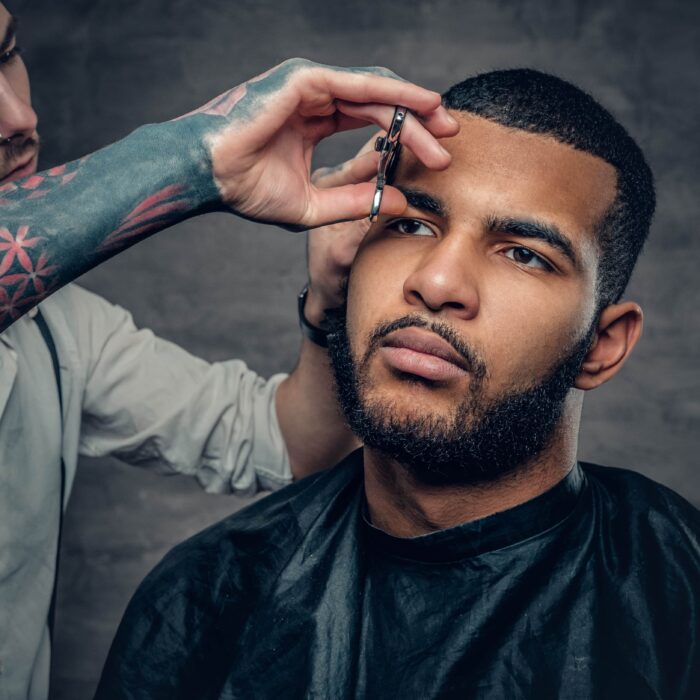
Hair care is rarely a one-size-fits-all process. The shampoo, conditioner, or styling cream that works beautifully for one person may leave another person’s hair flat, dry, greasy, or difficult to manage. The difference often comes down to understanding your hair type, texture, scalp condition, and everyday styling habits.
A good routine does not have to involve a bathroom cabinet full of products. What matters most is choosing products that address your hair’s specific needs and using them consistently. This is also where professional advice can make a difference. A skilled stylist can assess your hair and recommend products and techniques suited to your texture, condition, and desired look.
That personalised approach reflects the philosophy behind Treazure Studios, which supports independent beauty professionals and hair stylists with professional spaces and resources designed around quality, tailored service, and client care.
Understanding Your Hair Before Choosing Products
Before buying another hair product, take time to understand what you are working with. Hair is commonly grouped into four broad categories: straight, wavy, curly, and coily. However, your routine should also take strand thickness, hair density, scalp condition, porosity, and chemical or heat treatments into account.
Straight hair tends to allow natural oils to travel more easily from the scalp toward the ends. Fine straight hair, therefore, may become oily or weighed down quickly. A lightweight shampoo and conditioner can help maintain movement without creating unnecessary buildup.
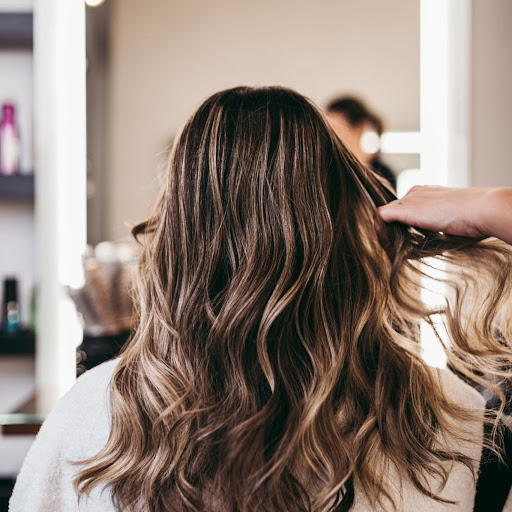
Wavy hair usually has a loose S-shaped pattern and needs balance. Too much product can flatten the wave, while too little moisture can leave it looking frizzy. Lightweight conditioners, leave-in sprays, mousse, or flexible-hold styling products can often provide definition without sacrificing movement.
Curly hair generally needs greater attention to moisture and definition. The shape of curls can make it harder for natural oils to travel down the strands, so conditioning and gentle detangling are important parts of the routine.
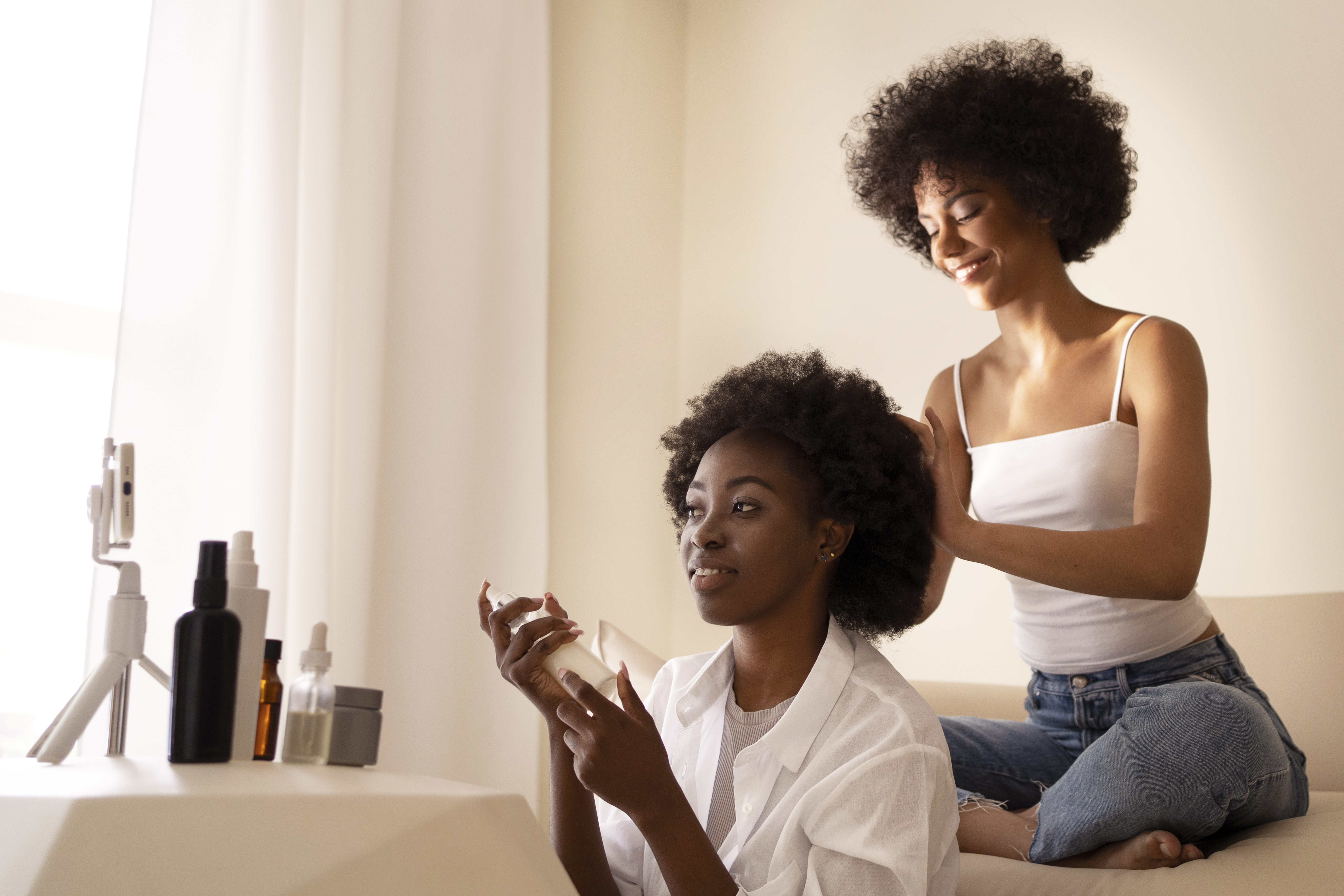
Coily hair has a tighter curl pattern and can be particularly vulnerable to dryness and breakage. Richer conditioners, leave-in products, gentle detangling, and protective styling can help support manageability and reduce unnecessary manipulation.
These differences demonstrate why product recommendations should be personalised rather than based solely on trends.
Straight Hair: Choose Lightweight Products
If your hair is straight, especially if it is fine, start with products that cleanse effectively without leaving heavy residue. A shampoo suited to your scalp can remove oil, sweat, and product buildup, while a lightweight conditioner can keep the lengths soft.
Apply conditioner primarily from the mid-lengths to the ends if your roots become oily quickly. For styling, consider lightweight serums, heat protectants, or sprays rather than heavy creams and oils.
If you frequently use straighteners, curling irons, or blow dryers, heat protection should be part of your routine. The objective is simple: keep the hair clean, smooth, and manageable without making it look flat.
Wavy Hair: Maintain Definition Without the Weight
Wavy hair often responds best to products that provide moisture and control while preserving its natural shape. Begin with a gentle cleanser and a lightweight conditioner.
After washing, avoid aggressively rubbing the hair with a towel. Instead, gently squeeze out excess water and apply a small amount of styling product to damp hair. Mousse, foam, or lightweight gel can help enhance waves and control frizz.
Scrunching the hair upward can encourage the natural wave pattern. If your waves become limp, reduce the amount of product you use. If they feel dry or frizzy, focus on improving conditioning rather than simply adding more styling products.
Curly Hair: Combine Moisture With Hold
Curly hair usually benefits from a routine that focuses on hydration, definition, and gentle handling. A moisturising cleanser can remove buildup without leaving the hair feeling excessively dry, while a good conditioner can improve softness and detangling.
When detangling, work through the hair gently, preferably while conditioner is present. Start at the ends and gradually work upward toward the roots.
For styling, leave-in conditioners, curl creams, and gels can work together. A leave-in conditioner can add softness, while a curl cream can help shape the curls and a gel can provide longer-lasting hold.
The exact combination will depend on your curl pattern and strand thickness. Experiment gradually rather than introducing several new products at once.
Coily Hair: Prioritise Moisture and Gentle Handling
Coily hair often requires particular attention to moisture retention and breakage prevention. A gentle cleanser, rich conditioner, and leave-in conditioner can form the foundation of a practical routine.
Deep-conditioning treatments can be added when the hair feels especially dry or difficult to manage. Richer creams and carefully selected oils may also help with softness and manageability, depending on the individual’s hair.
Detangling should be done patiently, preferably in sections. Avoid forcing a brush or comb through knots because excessive tension can contribute to breakage.
Protective styles may also reduce daily manipulation, but they should never be installed excessively tightly. Comfort around the scalp and hairline should remain a priority.
Fine and Thick Hair Need Different Product Strategies
Hair type is only part of the equation. Strand thickness can dramatically change how a product behaves.
Fine hair can become weighed down easily, so lightweight shampoos, conditioners, sprays, and styling products are often a practical choice. Thick hair may tolerate richer conditioners, creams, and treatments, particularly when it is dry or highly textured.
This is one reason professional consultation can be valuable. According to Treazure Studios, knowledgeable stylists should understand different hair textures and conditions and recommend appropriate shampoos, treatments, and styling products to help clients maintain results between appointments.
For clients, this means your stylist should not simply recommend a product because it is popular. The recommendation should have a clear reason behind it.
What Products Do You Really Need?
A practical routine can be built around a few essentials.
Shampoo cleanses the scalp and removes oil, sweat, and buildup.
Conditioner improves softness and manageability and can be particularly important for dry, curly, coily, or chemically treated hair.
Leave-in conditioner provides additional conditioning and can make detangling easier.
Styling products help create the finish you want. Mousse can add body, gel can provide hold, creams can enhance definition, and serums can help create a smoother appearance.
Hair masks or treatments provide additional conditioning when your regular routine is not enough.
Heat protectant is an important addition whenever hot styling tools are used.
The best routine is not necessarily the longest one. Every product should have a purpose.
Why Professional Hair Advice Still Matters
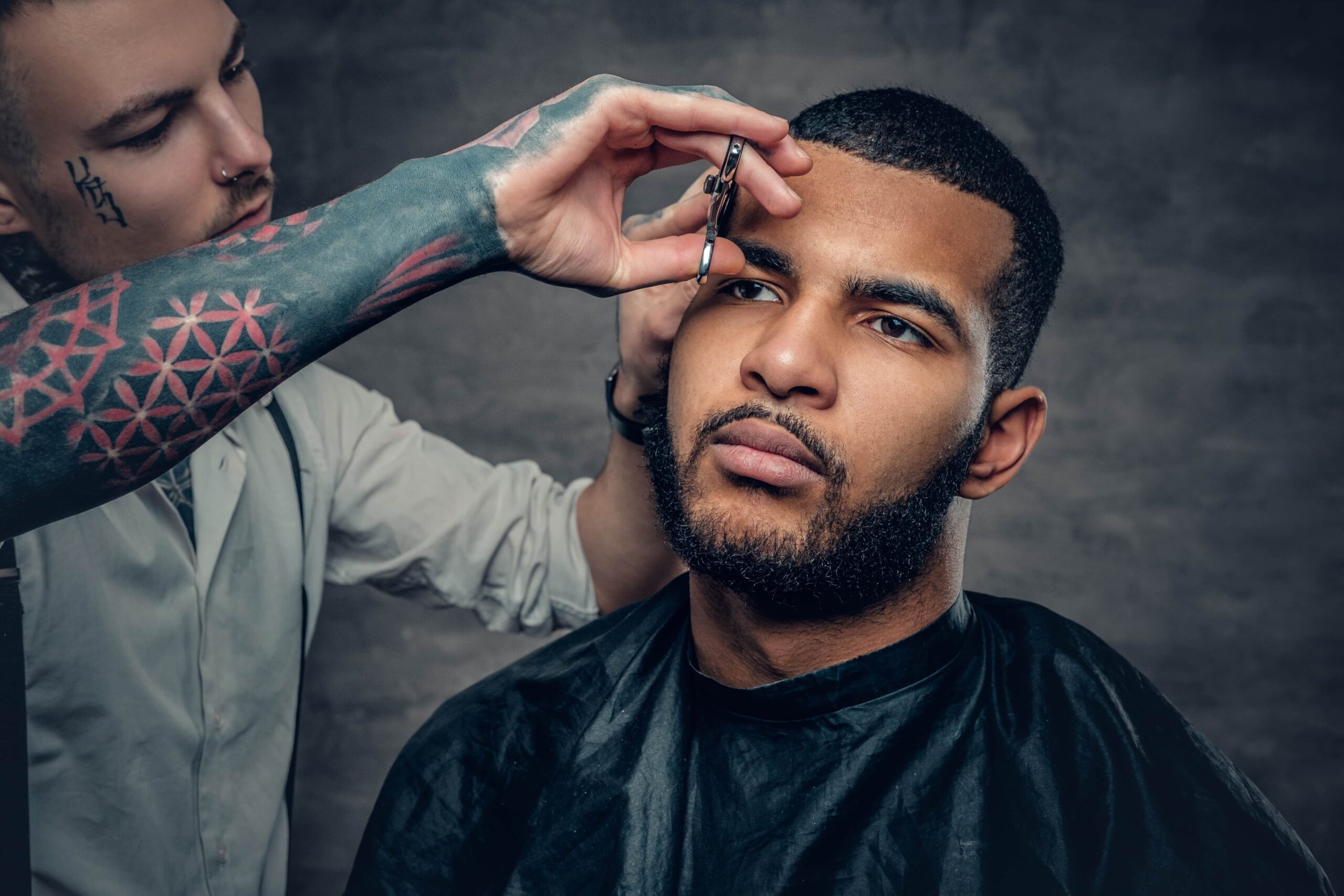
Online hair care advice can help you understand your options, but professional assessment can make product selection more precise. A stylist can look at your texture, density, current condition, previous treatments, and styling habits before recommending a routine.
Treazure Studios highlights the importance of technical expertise, attention to detail, adaptability, and product knowledge among successful hair stylists. Its platform also features independent hairstylists and beauty professionals, giving clients a way to discover professionals within its lifestyle-professional community.
This relationship between stylist expertise and at-home care is important. A great appointment should not end when you leave the studio. You should understand how to maintain your hair between appointments and which products make sense for your particular needs.
Make Your Routine Work for Your Lifestyle
Even the best routine will not help if it is too complicated to maintain. Your schedule, workouts, climate, styling preferences, and frequency of salon visits should all influence your approach.
If you exercise frequently, you may need to pay more attention to scalp cleansing. If you regularly use heat, focus on heat protection and conditioning. If your hair is frequently coloured or chemically treated, ask your stylist about products that support its condition between appointments.
Professional hair care is also about adapting to change. Treazure Studios notes that successful stylists need to keep learning and adapt to changing trends, techniques, and client needs. The same principle can apply to your personal routine: what works today may need adjustment as your hair, lifestyle, or styling habits change.
Healthy-Looking Hair Starts With the Right Match
There is no single product that works perfectly for every head of hair. Straight hair may need lightweight formulas, wavy hair often needs balance, curly hair benefits from moisture and definition, and coily hair may require richer conditioning and particularly gentle handling.
The most effective approach is to understand your hair first and then build a routine around its needs. Start with the basics, introduce products gradually, and pay attention to how your hair and scalp respond.
Most importantly, do not underestimate the value of professional guidance. Whether you are maintaining a simple everyday style or working toward a more specific hair goal, a knowledgeable stylist can help you make better product choices and maintain your results at home.
Ultimately, effective hair care is less about having more products and more about having the right products, the right techniques, and a routine you can consistently follow.