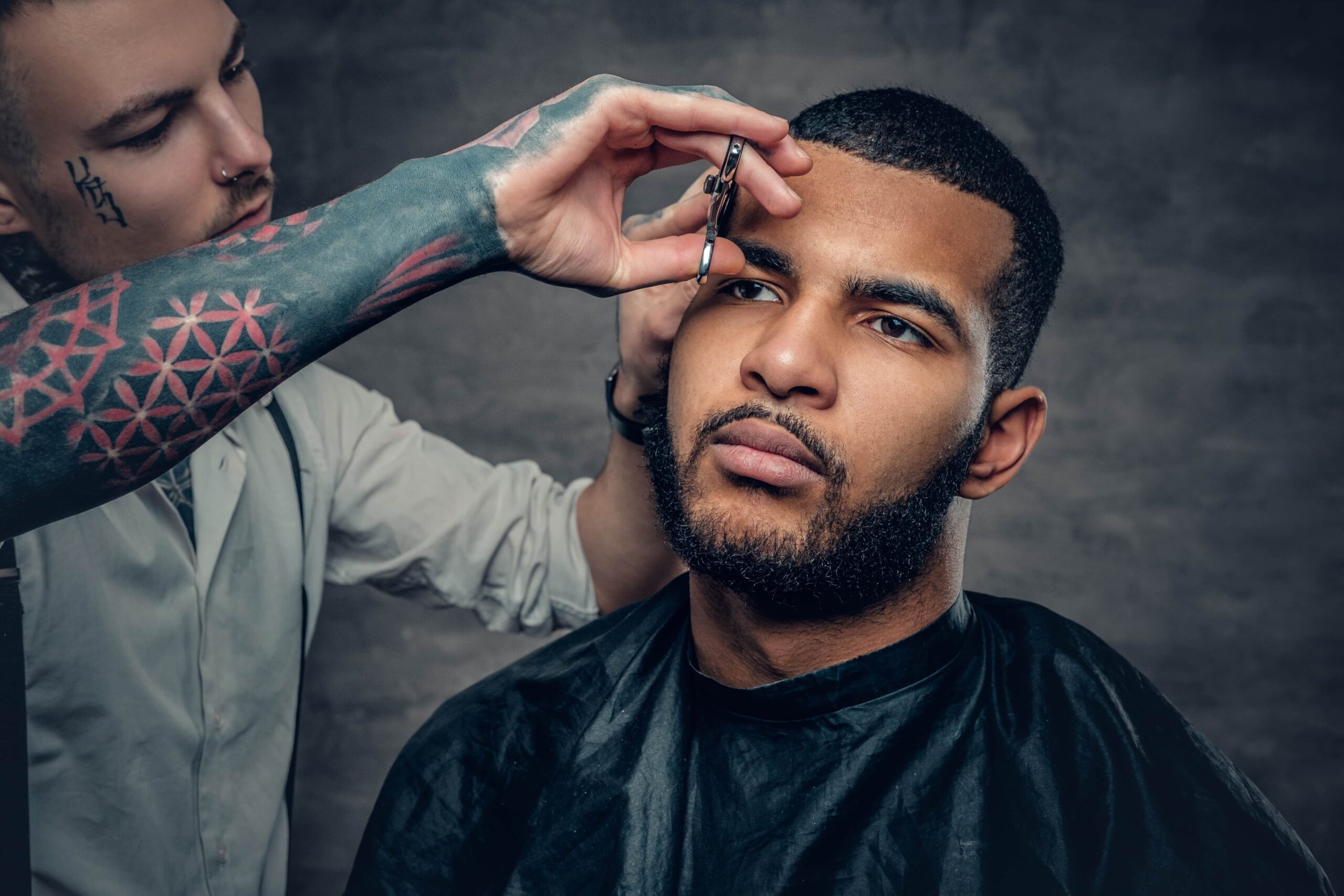
Finding the right hair stylist is about more than choosing a salon with a convenient location. When you book an appointment, you are trusting someone with your hair, appearance, and often your confidence. That is why understanding the different levels of hair stylists can make choosing the right professional much easier.
You may come across titles such as junior stylist, Level 1 stylist, senior stylist, master stylist, or creative stylist. But what do these titles actually mean? Does a higher level always indicate better skills? And should you automatically choose the most experienced stylist?
The answer is not always straightforward. Stylist levels differ from one salon to another, but they generally reflect a combination of experience, technical ability, education, specialisation, client demand, and the complexity of services a stylist can perform.
For professionals building a career in the industry, this progression can also represent an important journey from developing technical skills to becoming an independent beauty entrepreneur. Platforms such as Treazure Studios support independent stylists with private, fully equipped spaces designed to help them build their businesses and professional brands.
Why Do Hair Stylists Have Different Levels?
Hair styling requires continuous learning. A stylist may begin by mastering basic cutting and styling techniques before progressing into advanced colouring, extensions, textured hair, chemical treatments, precision cutting, or other specialist services.
Salons use levels to recognise this progression and, in many cases, to create different pricing structures.
A junior stylist may still be developing speed and confidence, while a senior stylist may have years of experience handling complex transformations. A master stylist may have advanced training, a large returning clientele, or specialised expertise.
It is important to remember that these levels are not universal industry standards. A Level 3 stylist at one salon may have different qualifications and experience from a Level 3 stylist somewhere else.
That means you should always consider the individual stylist rather than relying on a title alone.
Level 1 or Junior Stylist: Building the Foundation
A Level 1 or junior stylist is generally at the early stage of their professional career. They have completed their foundational training but are continuing to develop their technical skills through hands-on experience.
Depending on the salon, junior stylists may provide services such as basic trims, simple haircuts, blowouts, shampoo services, straightforward styling, and uncomplicated colour treatments.
This level can be a good option when you need a relatively simple service and are working within a budget. Junior stylists may also have more availability than highly established professionals.
Choosing a junior stylist does not mean choosing poor-quality service. It means working with someone who is still growing their experience and building their professional reputation.
Level 2 or Intermediate Stylist: Developing Expertise
With more experience comes greater confidence and technical ability. A Level 2 or intermediate stylist is generally comfortable handling a broader range of hair services and client needs.
They may perform layered cuts, highlights, colour refreshes, blowouts, styling, and moderately complex transformations.
At this stage, consultation skills also become increasingly important. Rather than simply copying a client’s requested hairstyle, an experienced intermediate stylist can consider factors such as hair texture, density, condition, lifestyle, and maintenance requirements.
This level can be a strong choice for clients who want more than a basic service but do not necessarily require a highly specialised transformation.
Level 3 or Senior Stylist: Advanced Experience
A senior stylist has generally spent several years developing their craft and working with a wider range of clients and hair concerns.
They may be experienced in advanced colouring, precision cuts, major restyling, colour corrections, and other technically demanding services.
One of the biggest benefits of working with a senior stylist is their ability to anticipate potential challenges. For example, someone requesting a significant colour change may have previous colour treatments or damaged hair that could affect the final result.
An experienced stylist can assess the condition of the hair, explain realistic expectations, and recommend an approach that balances the desired appearance with the health of the hair.
Level 4 and Above: Advanced or Master Stylists
Some salons continue their ranking system to Level 4, Level 5, or beyond. These positions may be described as advanced stylist, master stylist, creative stylist, or another title chosen by the salon.
These professionals often have extensive industry experience, advanced education, strong client demand, or specialist knowledge.
Master stylists may also mentor other professionals, attend advanced training, teach techniques, or develop expertise in specific areas of hair styling.
However, a master stylist is not automatically the best choice for every client.
If you need a highly specialised service, the most important question is whether the stylist has demonstrated experience with that particular service and hair type.
Does a Higher Stylist Level Mean Better Results?
Not necessarily.
A stylist’s level can give you an indication of their professional experience, but it does not tell the entire story.
For example, a stylist who specialises in curly or textured hair may be a better choice for a client with those needs than a stylist with a higher general ranking but limited experience working with that texture.
The same principle applies to colour, extensions, bridal styling, short cuts, natural hair, or dramatic transformations.
Look at the stylist’s portfolio and ask whether they regularly perform the service you want. A stylist’s actual work can tell you far more than a title.
How Stylist Levels Affect Pricing
Stylist levels can also influence the cost of salon services.
Junior stylists often charge less because they are developing their experience and building their clientele. Senior and master stylists may charge more because clients are paying for years of experience, advanced expertise, specialised techniques, and higher demand.
For clients, this can create useful flexibility.
A simple trim may not require the expertise of a master stylist, while a complicated colour correction or major transformation may justify investing in a more experienced professional.
For independent stylists, pricing becomes an important part of running a sustainable business. Treazure Studios explores this in our guide on how to price hair services for profit as an independent studio hair stylist, highlighting the importance of considering operating costs, time, products, equipment, and the overall value of the service.
How to Choose the Right Hair Stylist for You
Instead of asking, “Who is the highest-level stylist?” start by asking, “What does my hair actually need?”
For a simple trim, blowout, or basic styling appointment, a junior or intermediate stylist may be perfectly suitable.
If you want a significant haircut change, advanced colour, colour correction, extensions, or another complex service, a senior or specialist stylist may be a better choice.
Your hair history also matters. If your hair has undergone repeated colouring, chemical treatments, heat styling, or other processes, an experienced stylist may be better equipped to assess its current condition and recommend an appropriate approach.
Before booking, look at the stylist’s portfolio. Check whether their previous work reflects the type of result you want.
Don’t Overlook the Client Experience
Technical skill is only one part of being a great stylist. Communication, professionalism, consultation, and the overall client experience matter too.
A stylist should listen to your expectations, ask about your hair history, explain what is realistic, and provide suitable aftercare advice.
For independent professionals, creating a memorable client experience can also help build long-term loyalty. Treazure Studios’ guide on building a loyal clientele in a private studio highlights the importance of personalisation, understanding clients’ needs, and creating an environment where people feel comfortable and valued.
The environment itself can reinforce that experience. A well-designed studio can reflect a stylist’s personality and professional identity, from lighting and décor to the way the workspace is organised. Treazure Studios also explains how designing a hair studio around a personal brand can help create a consistent experience between a stylist’s physical space and online presence.
Questions to Ask Before Your Appointment
If you are unsure which stylist level is right for you, do not hesitate to ask the salon for guidance.
Useful questions include:
- What does each stylist level mean at your salon?
- How much experience does the stylist have?
- Do they specialise in my hair type?
- Have they performed this service before?
- Can I see examples of their work?
- What stylist level would you recommend for my desired result?
- What will the service cost?
These questions can help you make a decision based on your actual needs rather than simply choosing the cheapest or most expensive option.
The Right Stylist Is About More Than a Title
Understanding stylist levels can make the salon experience less confusing, but the highest level is not necessarily the best choice for everyone.
A junior stylist may be ideal for a simple appointment. An intermediate stylist may offer an excellent balance of experience and value. A senior or master stylist may be the right choice for complex transformations or highly specialised services.
Ultimately, the best stylist is someone whose experience, specialisation, communication style, and approach match your hair goals.
For hair professionals, progressing through stylist levels can also be the beginning of a larger business journey. As skills, clientele, and confidence grow, many stylists move from working behind the chair to building independent brands and businesses. Treazure Studios’ hair salon spaces are designed around this idea, offering customizable private spaces, business support, marketing resources, and educational opportunities for professionals looking to grow independently.
Whether you are a client choosing your next stylist or a professional planning your next career move, understanding what different stylist levels represent gives you a better foundation for making informed decisions. Experience matters – but so do expertise, specialisation, communication, and the ability to create results that make clients feel confident.