The beauty industry has evolved into a thriving space for independent professionals, especially makeup artists who want to build their own brands. Today, many artists face an important decision early in their careers: whether to operate from a dedicated studio space or provide mobile makeup services that travel directly to clients.
Both approaches can lead to successful businesses, but they offer very different experiences for the artist and the client. Understanding these differences can help professionals decide which path aligns with their goals while also discovering smarter strategies for where to sell makeup services and build a strong beauty brand.
The Appeal of a Professional Makeup Studio
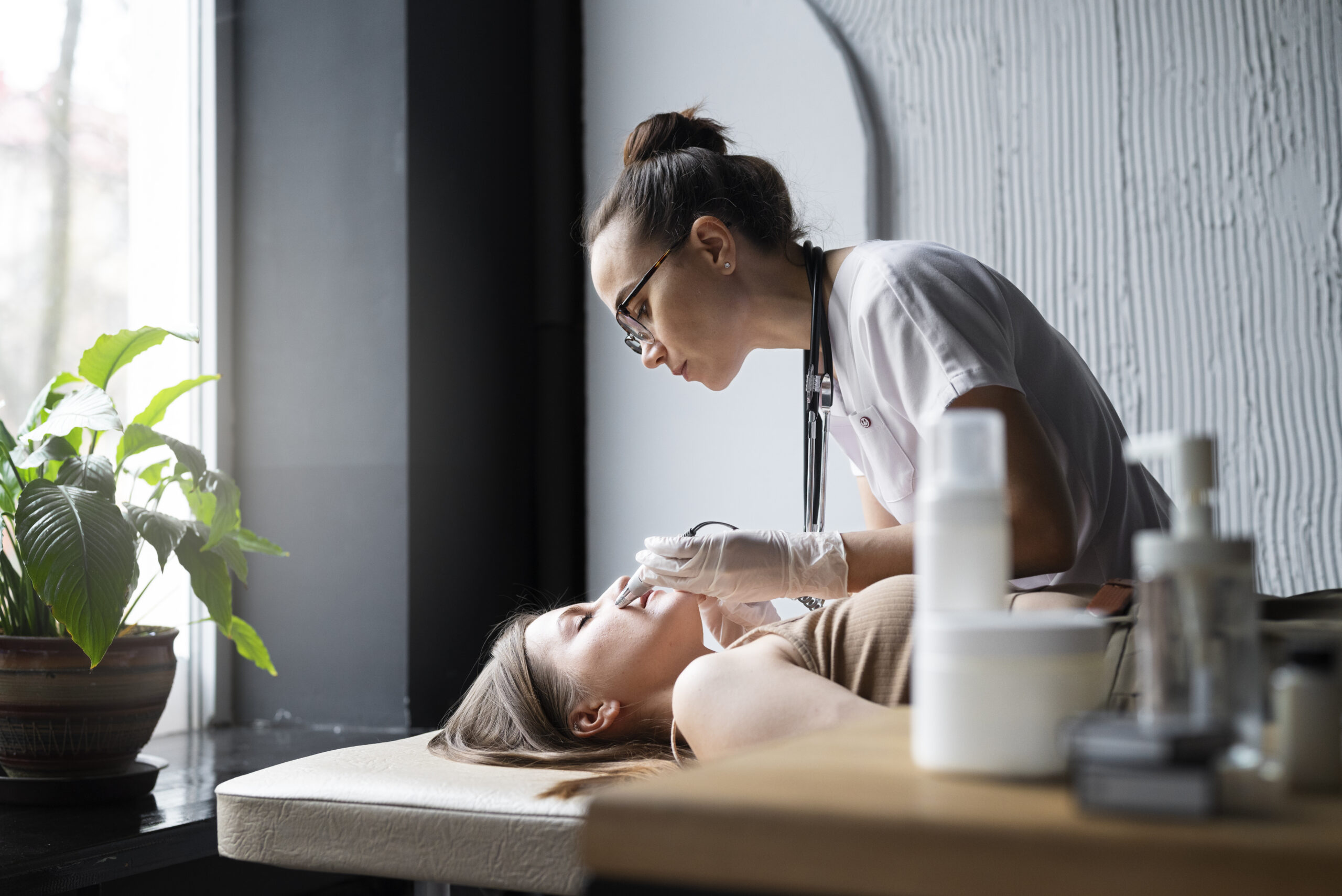
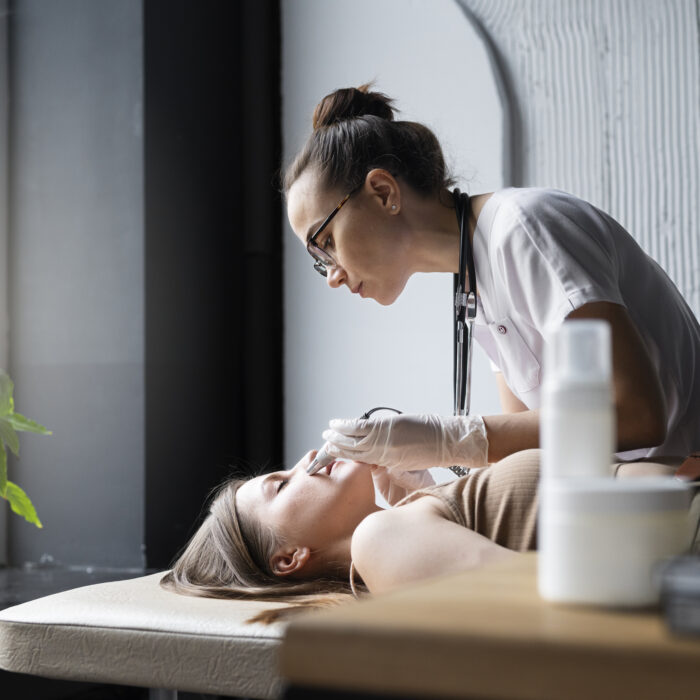
For many beauty professionals, having a studio space represents a major step toward building a recognizable brand. A studio offers a controlled, professional environment designed specifically for beauty services. Clients visit the location for appointments, where they can experience a carefully curated atmosphere that reflects the artist’s style and professionalism.
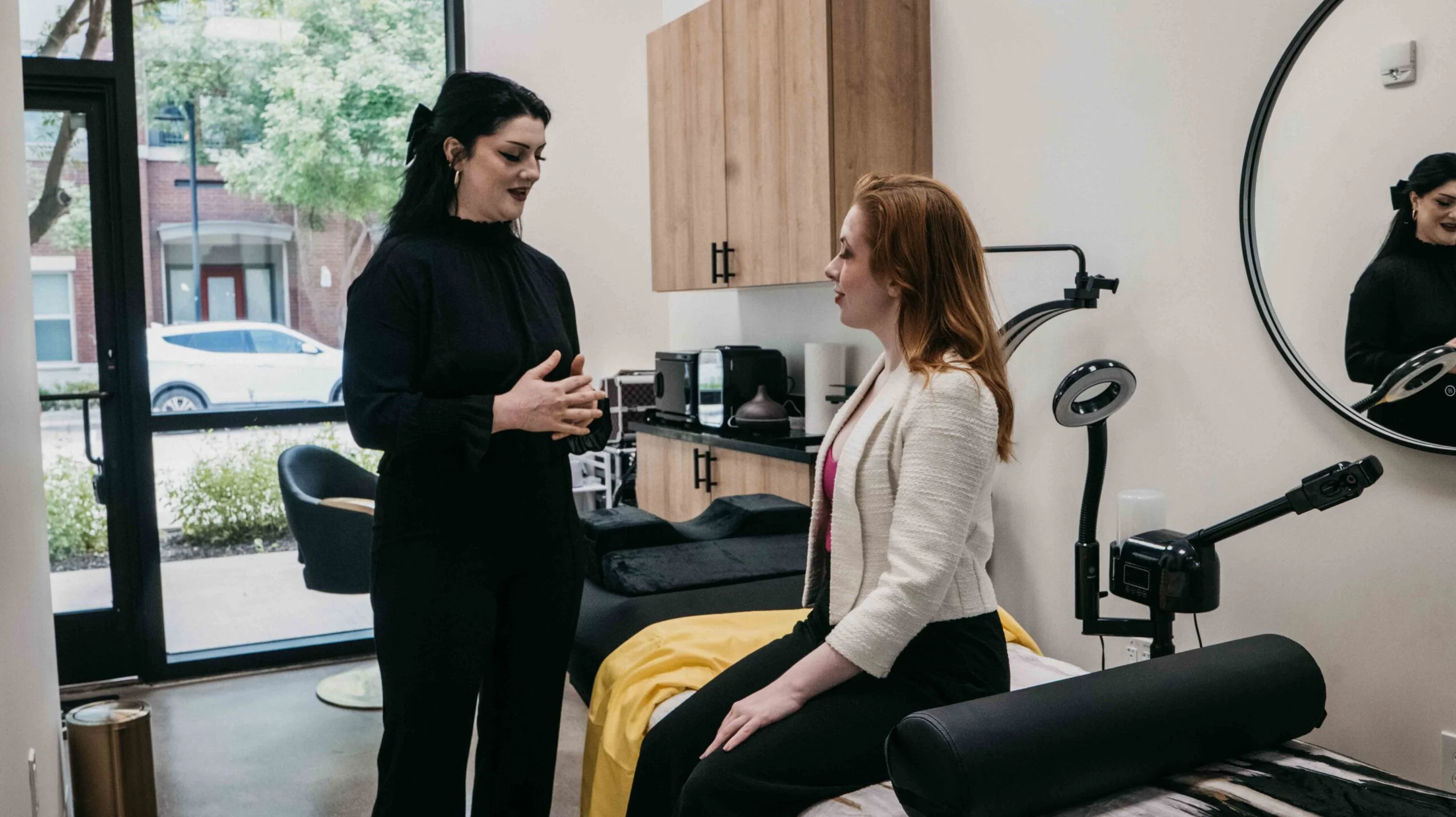
Modern beauty studio concepts, such as the suites offered by Treazure Studios, are designed to empower independent professionals by giving them private, customizable spaces to run their own businesses. These studios allow beauty entrepreneurs to manage their schedules, set their service prices, and design their workspace to reflect their personal brand.
Working from a studio offers several advantages that can enhance both the client experience and business growth.
A Consistent and Professional Environment
A dedicated studio gives makeup artists full control over lighting, seating, and workspace organization. Proper lighting is essential for makeup application, and having a well-designed studio ensures that artists can deliver consistent results for every client.
Private salon suites also create a more luxurious and personalized experience. High-quality studio environments allow artists to focus fully on their craft while providing clients with a comfortable and professional setting. Many modern studio suites are designed to mimic natural lighting and offer upscale décor that enhances the overall beauty experience.
Stronger Brand Identity
A studio space also helps makeup artists build a recognizable brand. When clients visit a dedicated beauty studio, they associate the location with professionalism and expertise. The ability to customize the space allows artists to reflect their personality, style, and aesthetic through décor, music, and product displays.
Studio environments also create opportunities to collaborate with other beauty professionals such as hairstylists, estheticians, and nail technicians. Many salon suite communities bring multiple professionals together under one roof, creating a supportive network where referrals and partnerships can naturally develop.
Opportunities for Retail and Education
Another major advantage of operating from a studio is the ability to expand beyond services. Makeup artists can sell beauty products, offer makeup classes, or host small workshops for clients.
This makes it easier to explore different strategies for where to sell makeup products. Whether through in-studio displays, beauty consultations, or online promotion, a studio provides a professional setting that supports retail sales.
However, running a studio also comes with responsibilities. Rent, utilities, furniture, and maintenance can increase operating costs. For artists who are still building their client base, these expenses may feel like a significant investment.
The Flexibility of Mobile Makeup Services
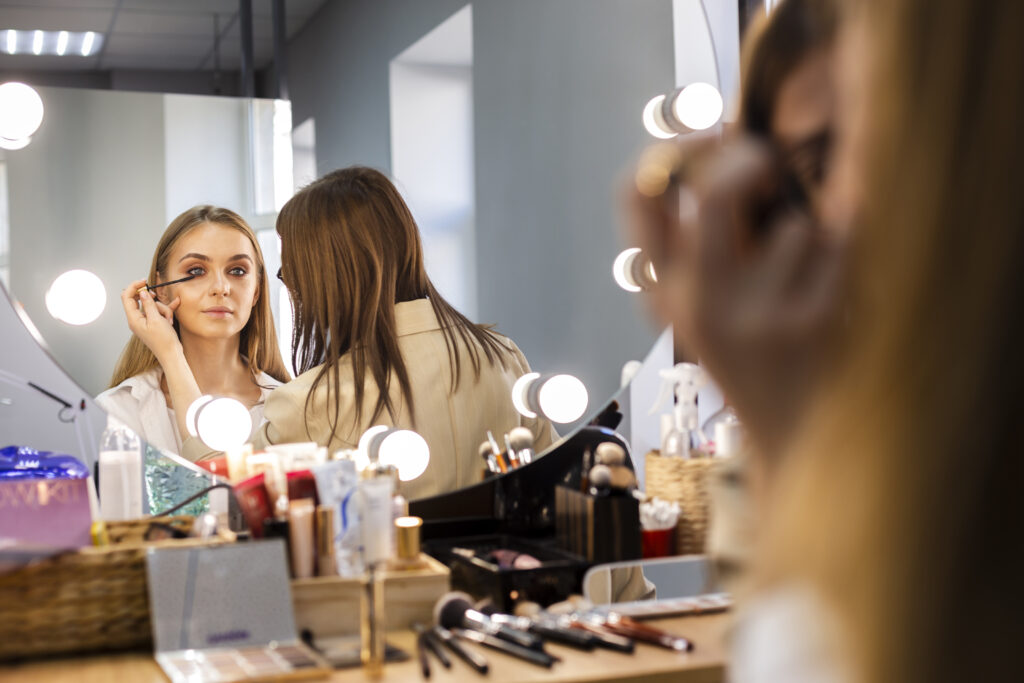
While studio spaces offer structure and brand visibility, mobile makeup services focus on flexibility and convenience. Instead of clients traveling to a studio, the makeup artist travels directly to them.
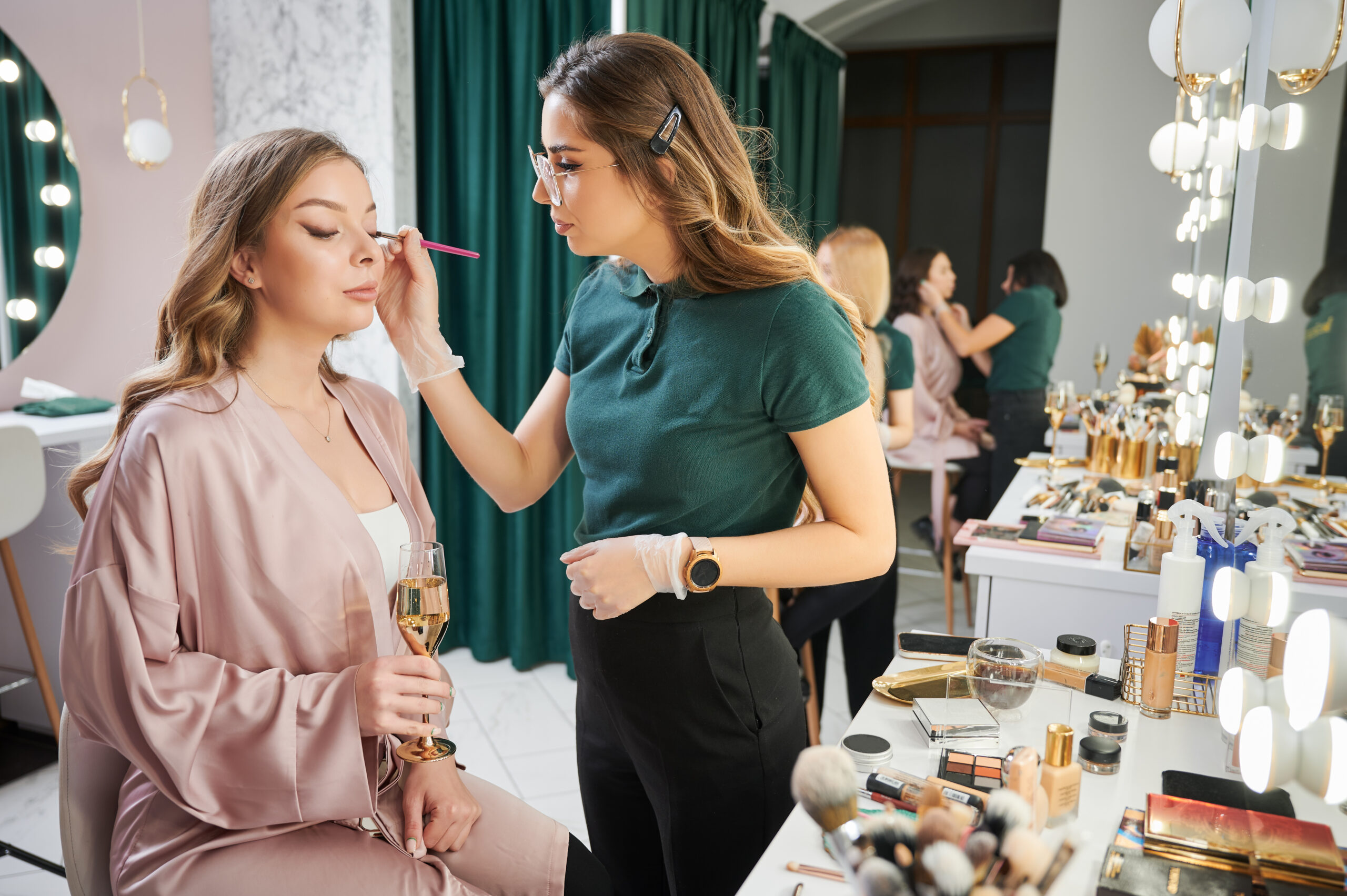
This model has become increasingly popular for weddings, photoshoots, and special events. Clients often appreciate the convenience of having their makeup done in their own home, hotel room, or event venue.
One of the biggest advantages of mobile makeup services is the lower startup cost. Artists do not need to rent a studio space or invest in expensive furniture. Instead, they focus on building a portable makeup kit that includes essential tools, products, and lighting.
Mobile services also allow makeup artists to reach a wider audience. Instead of serving clients in one location, they can travel to multiple areas and expand their client base.
Personalized Client Experiences
Many clients enjoy the comfort of receiving beauty services in familiar environments. Bridal clients, for example, often prefer on-site makeup services to reduce stress on their wedding day.
Mobile makeup artists also gain opportunities to work closely with photographers, hairstylists, and event planners at various venues. These collaborations can lead to valuable networking opportunities that help grow a beauty business.
The Challenges of Working on the Go
Despite its flexibility, mobile makeup also has limitations. One of the biggest challenges is the lack of control over the work environment. Lighting conditions, available space, and unexpected interruptions can affect the makeup application process.
Travel can also be time-consuming. Carrying heavy makeup kits and equipment between locations may reduce the number of clients an artist can serve each day.
Additionally, mobile artists may find it harder to build a strong physical brand presence compared to those who operate from a studio. Without a fixed location, marketing often relies heavily on social media and online visibility.
Finding Balance Between Studio and Mobile Services
Interestingly, many successful makeup artists choose not to limit themselves to just one model. Instead, they combine studio services with mobile bookings to maximize their opportunities.
A studio provides a stable base for regular appointments, consultations, and product sales. At the same time, mobile services allow artists to take advantage of high-demand events such as weddings and fashion shoots.
This hybrid approach reflects the growing trend of independent beauty professionals seeking flexibility while still maintaining a strong professional presence. The modern salon suite model was designed with this independence in mind, offering beauty professionals the freedom to operate their businesses on their own terms.
Growing Your Makeup Business and Knowing Where to Sell Makeup
Regardless of whether a makeup artist works from a studio or travels to clients, business growth depends heavily on visibility and marketing.
Understanding where to sell makeup services is a key part of building a sustainable beauty business. Social media platforms remain one of the most powerful tools for showcasing makeup transformations, sharing tutorials, and connecting with potential clients.
Beauty professionals can also promote their services through collaborations with photographers, fashion stylists, and wedding planners. These partnerships often lead to consistent bookings and referrals.
Studio environments can further strengthen these opportunities by providing a professional setting where clients feel confident purchasing beauty products or booking additional services.
Many modern studio communities also support business growth by offering networking opportunities, mentorship, and educational resources. Some platforms even provide workshops and training programs designed to help beauty entrepreneurs expand their skills and grow their businesses.
Ultimately, the choice between studio space and mobile makeup services depends on personal goals, budget, and lifestyle preferences.
Artists who value stability, branding, and a controlled working environment may benefit from operating within a professional studio space. Those who prefer flexibility and lower overhead costs may find mobile makeup services more appealing.
The beauty industry now offers more opportunities than ever for independent professionals to design their careers in ways that suit their ambitions. Whether operating from a private studio, traveling to clients, or combining both approaches, makeup artists have multiple paths to success.
By understanding the advantages of each model and exploring strategic options for where to sell makeup services, beauty professionals can build a business that is both profitable and fulfilling